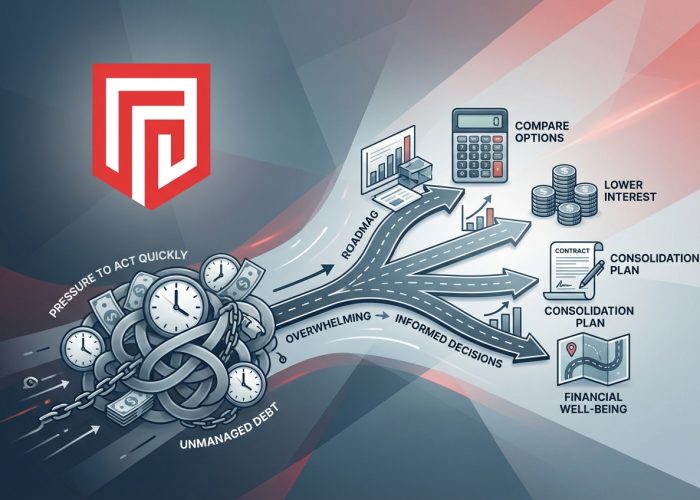
When debt becomes difficult to manage, the pressure to act quickly can feel overwhelming. Missed payments, rising balances, and ongoing communication from creditors often create a sense that time is running out. For many Canadians, these pressures can build gradually and then reach a point where stress begins to affect daily life, decision-making, and overall well-being. In this environment, it can feel as though any action is better than no action at all.
This sense of urgency can make the first available option seem like the only viable path forward. When stress is high, individuals may focus on stopping immediate discomfort, such as collection calls or overdue notices, rather than stepping back to assess whether a solution truly fits their financial situation. While this reaction is understandable, decisions made under pressure can sometimes overlook important details that influence long-term outcomes.
Debt solutions, however, are not interchangeable. Each option is structured differently, carries specific obligations, and affects income, assets, and future financial recovery in unique ways. Choosing a solution without careful comparison can lead to outcomes that do not fully address the underlying causes of debt or align with long-term goals. In some cases, it may even introduce new challenges that were not initially apparent.
This article explores ten reasons why taking time to compare debt options matters, particularly when decisions carry legal, financial, and long-term implications that can shape a person’s financial future well beyond the present moment.
1. Debt Situations Are Rarely One-Dimensional
Debt challenges are often the result of multiple, overlapping factors rather than a single issue. Income changes, rising living costs, unexpected expenses, and long-term reliance on credit can all contribute to financial strain.
Taking time to compare options helps individuals recognize that addressing one part of the problem may not resolve the whole situation. A solution that focuses only on lowering payments, for example, may not account for income instability or future expenses. Comparison encourages a broader view, helping individuals choose options that reflect the full scope of their circumstances rather than a single pressure point.
2. Different Options Address Unsecured Debt in Different Ways
Unsecured debts such as credit cards, personal loans, and lines of credit are often the primary concern when seeking relief. However, debt solutions vary significantly in how they treat these obligations.
A consumer proposal, for instance, restructures unsecured debt into a repayment plan based on affordability, while other approaches may focus on repayment without reducing balances.
For individuals considering debt settlement, comparing reputable providers such as Freedom Debt Relief may help them evaluate available debt relief options and determine whether debt settlement is appropriate for their financial circumstances.
Taking time to compare these differences helps individuals understand how much relief is realistically possible and what commitments may be required over time.
3. Rushed Decisions Are More Likely to Be Emotion-Driven
Stress and anxiety can heavily influence financial decision-making. When collection calls or overdue notices are frequent, it can feel necessary to act immediately to stop the discomfort.
Taking time introduces distance from emotional pressure. This pause allows individuals to evaluate options based on facts rather than fear. Decisions made with emotional clarity are more likely to feel manageable and less likely to be regretted later.
4. Legal Structure and Obligations Are Not the Same Across Options
Some debt solutions operate within a formal legal framework, while others rely on voluntary arrangements. These structural differences affect rights, responsibilities, and long-term outcomes.
For example, bankruptcy is a formal legal process governed by federal law, with specific duties and consequences that differ from informal repayment strategies. Comparing options carefully helps individuals understand which solutions offer legal protection, which involve court-supervised processes, and which rely on ongoing creditor cooperation.
5. Asset and Income Implications Vary Widely
Concerns about assets and income are common when considering debt solutions. Individuals may worry about losing property, vehicles, or savings, or about being unable to meet payment obligations if income changes.
Taking time to compare options helps clarify how assets and income are treated under different solutions. This understanding reduces unnecessary fear and ensures decisions align with personal priorities, such as asset retention or income flexibility.
6. Immediate Relief Is Not the Same as Long-Term Recovery
Some debt solutions may provide quick relief but create challenges later, while others focus on sustainable recovery over time. Comparing options allows individuals to consider how each path supports future stability, not just present comfort.
Long-term recovery may involve rebuilding financial habits, restoring confidence, and planning for future expenses. Taking time ensures that the chosen option supports these goals rather than offering only temporary relief.
7. Debt Consolidation Is Not Always the Right Fit
A debt consolidation is often considered because it simplifies payments, but it does not reduce the total amount owed. Its effectiveness depends on creditworthiness, interest rates, and repayment terms.
Comparing consolidation with other options helps individuals assess whether it genuinely improves affordability or simply rearranges existing obligations. Without comparison, consolidation may appear attractive while failing to address deeper financial strain.
8. Eligibility Does Not Equal Suitability
An option being available does not automatically make it appropriate. Eligibility refers to whether a solution can be accessed, while suitability considers whether it fits the individual’s financial reality.
Taking time to compare options helps distinguish between what is technically possible and what is practically sustainable. This distinction reduces the risk of choosing a solution that becomes difficult to maintain over time.
9. Confidence Comes From Understanding, Not Speed
Many people equate decisiveness with speed, but financial confidence often comes from understanding. Taking time to compare options allows individuals to ask questions, clarify uncertainties, and reflect on priorities.
This process replaces confusion with clarity. Decisions made with understanding tend to feel more controlled and less stressful, even when they involve significant change.
10. Careful Comparison Reduces the Need to Revisit Decisions
Decisions made under pressure may need to be revisited if they do not fully address the situation. This can lead to additional stress, disruption, and uncertainty.
Taking time upfront to compare options reduces the likelihood of needing to change course later. A well-considered decision supports smoother progress and greater confidence moving forward.
Conclusion
Taking time to compare debt options is not about delaying action; it is about choosing a path that truly fits. Debt decisions involve more than numbers they involve legal obligations, emotional well-being, and long-term financial health.
By comparing options carefully, Canadians can move from reaction to reflection. This deliberate approach supports decisions that are informed, sustainable, and aligned with long-term stability rather than driven by immediate pressure. Thoughtful comparison ultimately leads to better outcomes and greater confidence throughout the debt recovery process.