
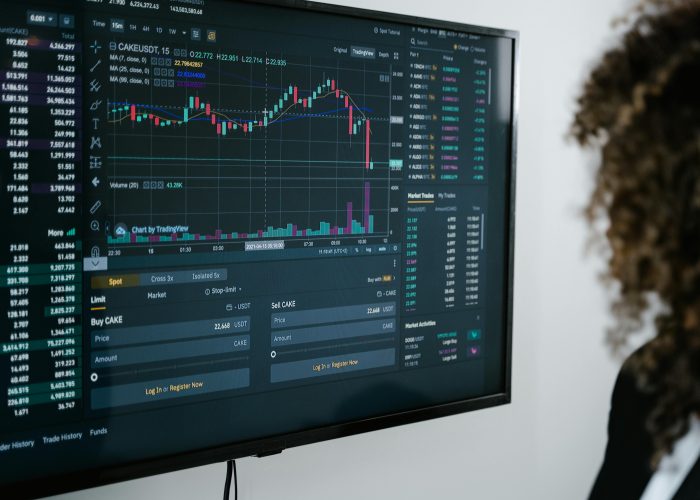
Cryptocurrency and forex trading offers plenty of opportunities, but security should always come first. For day traders managing funds across exchanges and wallets, even a single lapse could result in significant losses.
With that in mind, here are a few essential security practices for crypto and FX day traders to safeguard their investments effectively.
Protecting Accounts with Multi-Factor Authentication and Hardware Keys
Start by enabling multi-factor authentication (MFA) on all trading accounts. Apps like Authy and Google Authenticator add an extra layer beyond passwords.
For even stronger protection, use FIDO2-compatible hardware keys, such as YubiKey. These are resistant to phishing and require physical access to authenticate logins. If possible, avoid SMS-based MFA when possible since SIM-swapping attacks target this method frequently.
Also, ensure your email account tied to trading platforms is secured similarly with MFA or a hardware key. If your email gets compromised, everything else might follow.
Recognizing and Avoiding Advanced Phishing Attempts
Phishing attacks trick you into revealing credentials or approving malicious actions. Look for red flags in emails, such as an urgent tone, mismatched URLs, or suspicious attachments.
Use unique email addresses for trading accounts to minimize exposure to targeted phishing campaigns. Tools like domain-specific aliases can help with this.
Never click links from unsolicited messages; manually type URLs instead. Verify authenticity by contacting platforms directly through their official channels.
Consider phishing-resistant email services that automatically warn you about suspicious messages. Combine vigilance with technology to reduce risk effectively, especially since advanced phishing campaigns are increasingly common.
Configuring API Key Permissions and IP Restrictions for Trading Platforms
When using trading APIs, limit their permissions to essential actions like placing trades. Avoid granting withdrawal access unless absolutely necessary.
Use IP allowlisting to restrict which addresses can execute commands with your API keys. This ensures unauthorized actors can’t exploit stolen keys.
For instance, if you’re taking advantage of the Axi Select program to develop disciplined trading habits, combining restricted API scopes with strict IP controls helps prevent account misuse during live evaluations or real-money operations.
Lastly, store your keys securely in encrypted formats or password-protected tools rather than plain text files.
Strengthening Withdrawals Through Whitelisting Features
Withdrawal whitelists let you specify approved wallet addresses for fund transfers. This ensures no one can withdraw to unknown destinations, even if your account is compromised.
Set up withdrawal delays to allow time for review if someone tries adding unauthorized addresses. Use strong passwords and multi-factor authentication during this setup.
Review and test your whitelist periodically to ensure it’s functioning correctly. Keep your listed wallets secured with the same care as exchange accounts.
This simple safeguard creates an additional barrier against theft, giving you peace of mind when managing significant funds across platforms.
Keeping Devices Secure with Regular Updates and Antivirus Solutions
Ensure all devices used for trading have the latest operating system and software updates. Outdated systems are prime targets for malware or exploits.
Install reputable antivirus programs to detect threats in real time. Schedule frequent scans to identify vulnerabilities early.
Use firewalls to monitor incoming connections, blocking suspicious activity automatically. Avoid downloading files or apps from unknown sources.
Consider separating your trading activities on a dedicated device free of non-essential software. This minimizes risks from unrelated online browsing or downloads compromising security while trading remains uninterrupted and protected.
Using Dedicated Browsers or Virtual Machines for Trading Activities
Trade exclusively through a browser dedicated to this purpose, free of unnecessary extensions that may pose security risks. Avoid visiting unrelated sites on this browser.
Alternatively, use virtual machines (VMs) for trading platforms. VMs isolate your activities from the rest of your system, limiting damage if malware strikes.
Enable privacy settings and disable cookies wherever possible to reduce tracking. Pair these measures with secure connections like VPNs equipped with kill switches to prevent data exposure during disconnections.
These precautions create a controlled environment focused solely on trading, keeping external threats at bay while ensuring smooth operations.
Storing Profits Safely in Cold Wallets
For long-term holdings in the $85.7 billion crypto market, or profits you make from trades, use cold wallets. These are offline storage devices like hardware wallets that shield assets from online attacks.
Regularly transfer excess funds from exchanges to reduce exposure to hacking risks. Only keep operational amounts on trading platforms.
Always back up your wallet’s recovery phrases securely, storing them in a safe, offline location. Avoid taking photos or saving digital copies of these backups.
Cold storage adds an essential layer of security by physically disconnecting your assets from the internet, protecting them against most threats traders face daily.
The Last Word
Good security habits are essential for protecting your trading capital and peace of mind. Simple measures like cold wallets, API restrictions, or phishing awareness significantly reduce risks.
Investing time in building these practices safeguards not only your assets but also ensures you can trade confidently in an increasingly digital world.