
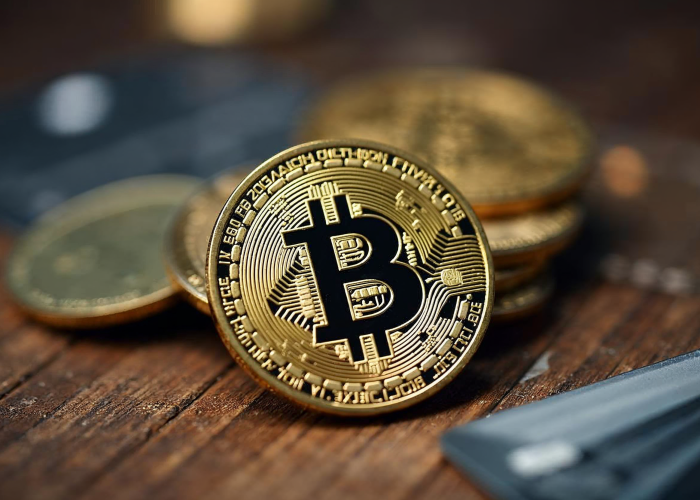
Credit and debit cards are the most used payment method in the US, and one of the most used in the whole world as well. Cards are handy and easy to use at points of sale, and they often offer benefits for paying with them. So, is it a good decision to buy Bitcoin with a credit card?
Let’s take a look at some factors anyone should take into account before making this decision.
Key Considerations Before Using a Card for Bitcoin Purchases
As simple as cards can be, they carry some risks that users need to know before using them to make purchases, especially if we’re talking about buying Bitcoin. That’s why it’s important to double-check the platform to be used to make sure it’s reliable and safe.
Fees can also vary from one exchange to another and one card provider to another. This refers not only to the transaction fees but also to the interest rate the provider will charge at the end of the billing cycle.
Choose a Trusted Exchange Platform for Card Transactions
Security should be anyone’s main concern when making financial decisions. If an investor wants to buy Bitcoin with a credit or debit card, they should thoroughly check the exchange’s history, online reviews, and regulatory compliance. For example, the Relai app has built a strong reputation as a trusted Bitcoin-only app that prioritizes self-custody and transparency.
Plenty of fraudulent platforms online advertise themselves as reliable but lack robust security protocols. Sometimes, they’re not just careless but actively looking to steal personal data and funds. The first step for anyone researching how to buy bitcoin is always to verify how secure an exchange is.
Mind Risks Associated With Card Payments
Exchanges can also fail to protect their servers and expose your data to attackers. They could charge hidden fees or make additional charges to the card.
In order to avoid these issues, users should research the exchange, see if they’re registered in a legitimate jurisdiction, and check compliance with safety measures. Some cards also feature a lock function. This can be useful to avoid unintended charges, as the cardholder could only unlock the card when they’re purposefully going to make a payment.
https://www.pickpik.com/credit-card-bank-card-theft-charge-card-padlock-identity-14863
Check Limits and Restrictions
Card payments are generally accepted everywhere. However, there are jurisdictions where they could be blocked, so this should be taken into account. This is especially relevant in trading cryptocurrencies, as they’re not bound to any country, and exchanges tend to be located offshore.
Another obvious limitation is the balance or credit limit. In the case of debit, there’s no way to spend more than what’s available in the account. However credit cards could incur an overdraft, and this comes with extra fees and impacts the credit score negatively.
Specifics of Credit and Debit Card Transactions With Bitcoin
Credit and debit cards are very different from one another. They have different fees, money sources, rewards, and even processing times. The decision of whether to use a credit or debit card varies greatly depending on the specific context of each investor.
Credit, for example, requires a great level of control, to avoid going over the limit or accumulating a large debt. Debit cards, on the other hand, have a lower risk but don’t offer as many rewards and cashback as credit cards.
Payment Source
This is probably the most notable distinction between debit and credit cards. In the first case, the money comes from the associated bank account. If there’s a balance of $300, and the cardholder purchases $100 in BTC, the bank will have a $200 balance afterward.
In the case of credit cards, they offer a line of credit that users can “borrow” from. They can make a purchase and pay later, usually with an added fee. And there’s a limit of time to pay the debt, or it will cause additional charges.
Processing Times
The time it takes to process the payments also varies depending on the type of card. Debit transactions are typically settled within up to 24 hours, but they can be processed in mere seconds. Credit card payments, on the other hand, can take up to five business days to be settled.
This doesn’t mean that the buyer will have to wait one, two, or five days to get the product. The trade is finalized instantly. However, the receiving bank will take this long to receive the money.
Financial Impact
Credit cards help build a credit score. This can be beneficial to requesting loans or using other financial products. However, users need to stay up to date with payments to avoid overdrafts or delays. In the long run, they could end up paying a lot more than they would if they had used debit.
Debit cards don’t build a credit score, but they have fewer fees and don’t accumulate interest. In the end, it’s all about balance and knowing your limits.
Transaction Fees for Card Payments
In the case of credit cards, companies charge fees for a number of eventualities. There’s the basic annual fee, which is charged just for owning the card. And there’s an interest charge on the debt that gets passed from one billing cycle to another.
However, there are occasional fees for late payments, cash advances, and even returned payments. These all depend on the way the card is used. If a credit card is used to purchase Bitcoin, it’s important to keep an eye on payment days and the available credit.
Tips for a Secure Bitcoin Purchase With a Card
Although credit or debit cards may seem like a hassle, they’re the most used payment method for a reason. They provide a handy solution for online payments and a safe way to buy Bitcoin. Platforms like Moonpay make the process even more accessible by offering a secure and user-friendly way to purchase cryptocurrency. To benefit the most from the advantages of card payments, the most vital lesson is to choose a reliable and secure platform and investigate the fees — both the ones charged by the card issuer and the ones charged by the crypto exchange.