
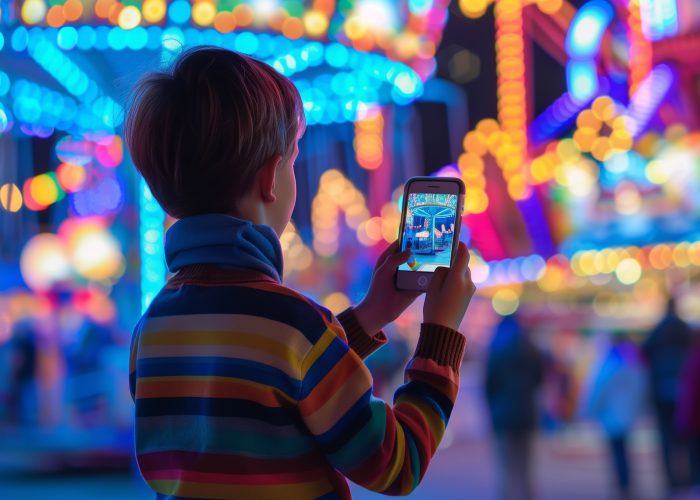
Entertainment used to be simple. You turned on the television, picked a channel, and let the hours pass. That world feels far away now. These days, leisure is less about sitting still and more about joining in. We click, we stream, we play. The shift is not just about technology but about how people want to spend their time.
From Watching to Doing
Audiences no longer settle for being quiet observers. They want a hand in shaping the story. On streaming platforms, a live chat runs alongside the show. In gaming, a match is not finished until the clip is shared and commented on. Even musicians drop songs directly inside games, turning concerts into interactive events.
The difference is simple. People want to be part of the moment instead of watching it from the outside. That sense of presence is what defines this new era.
Gaming at the Center
Nowhere is this clearer than in gaming. Online play pulls together people from across the globe into the same digital space. One evening you might be working with a friend in another city, the next you are battling strangers who quickly become teammates.
Even solo players are never really alone anymore. They upload their best runs, stream their progress, or join communities that discuss every trick and detail. What once happened in living rooms now unfolds on screens that connect millions.
Boundaries Are Blurring
Entertainment formats are no longer separate lanes. Games borrow plots from movies. Shows are written with gaming audiences in mind. Virtual concerts draw tens of thousands who log in not just to listen but to interact.
Writers at outlets have shown how digital gaming is changing entertainment trends, pointing to how the walls between film, music and play are breaking down. What emerges is not one form of entertainment replacing another but all of them blending together.
Creativity Loops Back to the Players
Another big change is how much creativity has shifted into the hands of the audience. Players design avatars, build worlds, and create custom content that spreads just as fast as any official release. Streamers with no production studio can draw bigger audiences than a traditional TV network.
This is culture moving in circles rather than top down. Fans become creators, creators become fans, and the line between them disappears.
Social by Design
At heart, entertainment has always been social. Families used to sit together around a radio, later around a television. The setting has changed, but the instinct is the same. Now people gather in Discord servers, trade memes across social feeds, and stream live events side by side even when they are continents apart.
Games lean into this completely. They are designed to reward teamwork, to spark conversation, and to let you keep track of what your friends are doing. And sometimes the act of watching is just as compelling as playing. A streamer’s victory, a friend’s clever move, or even a shared laugh can feel like part of the game itself.
Interfaces That Keep Us Hooked
All of this only works because the technology behind it has become so fluid. A glitch in a live stream or a lag in a game can push people away in seconds. Designers know this, and that is why so much effort goes into seamless interfaces.
Menus slide away without thought. Notifications appear at the right moment and then vanish. Commands respond instantly. The result is a flow that feels natural, which is the only way to keep people present from second to second.
Where It Goes Next
The road ahead promises even more blending of real and digital. Virtual reality headsets are finding their way into homes. Augmented features on our phones are already changing how we look at the street outside. Point a camera and a plain wall can suddenly carry directions, artwork, or a layer of information you never noticed before. It is easy to picture concerts, matches, or whole gatherings unfolding in digital spaces that feel almost as tangible as the ones we walk through every day.
But even without futuristic hardware, the foundation is already set. People want entertainment that invites them in. They want to click, stream, and play.
More Than a Phase
This is not a passing trend. It reflects the way culture itself is changing. Sharing, connecting, and shaping experiences are no longer extras. They are the main event.
Entertainment has become less about leaning back and more about leaning in. Every click, every stream, every play is another sign that the audience is now part of the show.