
Parenting in the digital age is both easier and harder. While smartphones let children stay connected, they also raise new concerns: late arrivals, unanswered calls, or the fear that kids might be somewhere unsafe. This often leads parents to wonder how they can find location by phone number quickly and discreetly.
Instead of constant texting or calling, parents want a method that offers peace of mind without intruding. Tools such as GEOfinder allow you to instantly check a number’s location, but beyond tools, there’s also a need for awareness and good safety practices.
Everyday Situations Where Location Matters
Parents don’t necessarily want to monitor every move — but there are times when knowing a child’s location is critical:
-
Walking home from school: Did they make it safely?
-
After-school activities: Are they really at practice or a friend’s house?
-
Traveling alone: Is the bus or train ride going as planned?
-
Emergencies: If they stop answering, can you find them fast?
-
Teen independence: You want to give them freedom, but also safety.
These examples highlight why learning to track phone numbers responsibly is less about control and more about protection.
General Ways to Check a Phone’s Location
There are several ways parents can locate a child’s phone, ranging from basic checks to more advanced options.
1. Calling or Messaging
The simplest way is still to call or send a message. However, children may miss the call, ignore it, or not hear the notification.
2. Checking Account Dashboards
-
Google: Under Settings > Google > Manage Your Google Account > Security > Your Devices, you can see all devices logged into the account.
-
Apple iCloud: In Settings > [Your Name] > Devices, you’ll find connected Apple devices.
These dashboards don’t provide live location but do help confirm whether the account is active on another device.
3. Built-in Find Features
Phones also have built-in options like “Find My iPhone” or Google’s “Find My Device.” These can be helpful, but they require setup in advance and depend on the child leaving sharing turned on.
4. Web-based Solutions
This is where web tools like GEOfinder come in — you simply type in a phone number and see the location on a map. The process is simple, requires no installation, and works worldwide.
Risks Parents Should Know About
Before using any tracking method, parents should understand the risks:
-
Privacy balance: Constant monitoring can damage trust.
-
Technical limits: Phones may lose connection if turned off.
-
Data misuse: Insecure apps could expose your own information.
-
False alarms: Misread locations can cause unnecessary panic.
The goal isn’t surveillance — it’s safety and peace of mind.
Talking to Kids About Safety
Using technology is only one part of the equation. Open conversations are just as important. Parents should:
-
Explain why location checks matter — it’s about protection, not control.
-
Set boundaries together — agree when tracking is used (e.g., late nights, long trips).
-
Encourage check-ins — combine tech with simple habits like texting when plans change.
-
Build trust — children are more likely to accept location checks if they feel trusted.
How GEOfinder Fits Into the Picture
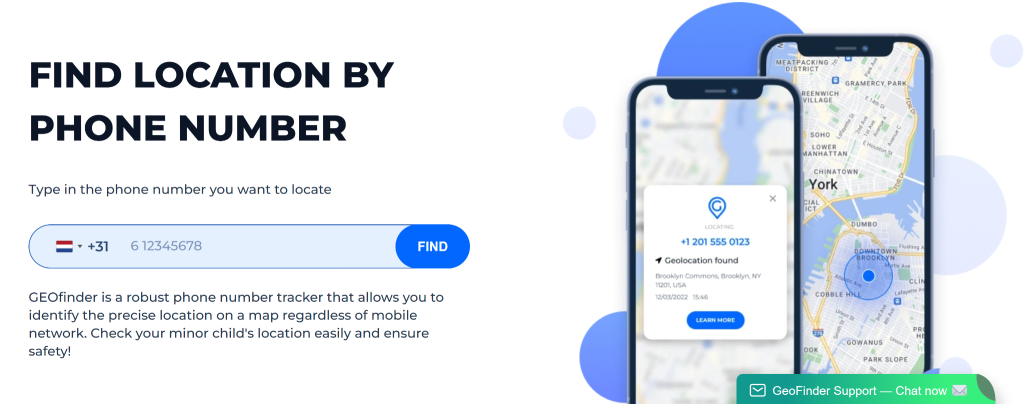
While account dashboards and built-in apps are useful, sometimes parents want a quicker, simpler way to confirm a child’s location. That’s where GEOfinder is helpful.
With GEOfinder, you can:
-
Find location by phone number in real time.
-
Type in phone number and find location free online (sign up required).
-
Track phone numbers worldwide across all carriers.
-
Stay anonymous, so children won’t know you checked.
Because it doesn’t require installation on the phone, GEOfinder is a discreet backup option parents can use when traditional methods fall short.
Responsible Use of Location Tracking
To make the most of phone location checks while respecting privacy:
-
Use in emergencies first — when your child isn’t answering or there’s genuine concern.
-
Balance safety with independence — don’t track unnecessarily.
-
Pair with rules — encourage kids to keep their phones charged and carry them at all times.
-
Review regularly — check whether your system is still working for both you and your child.
Broader Safety Tips for Parents
Even beyond tracking, good digital habits keep children safer:
-
Teach kids not to overshare online (location, school name, daily routes).
-
Encourage them to stay in groups when traveling.
-
Have a family emergency plan with clear steps if something goes wrong.
-
Show them how to recognize phishing attempts or suspicious links.
-
Remind them to lock their phones with PINs or biometrics.
By combining these practices with the ability to find location by phone number, parents create a more secure environment.
Myths About Phone Tracking
-
“Tracking is illegal.” → Parents checking their own child’s phone for safety is legal.
-
“It’s too technical.” → Most solutions, including GEOfinder, are simple and user-friendly.
-
“Kids will notice instantly.” → Anonymous web-based tools don’t alert the device owner.
-
“It only works nearby.” → Phone number location works globally.
Verdict
Parents face the ongoing challenge of giving kids freedom while ensuring their safety. The ability to find location by phone number offers reassurance in emergencies, clarity when plans change, and peace of mind day to day.
While traditional methods like calls, account checks, and built-in features help, parents also benefit from reliable web-based solutions. GEOfinder makes it possible to track phone numbers quickly, discreetly, and without installation — a practical option when you need extra confidence.
Ultimately, technology should support trust, not replace it. By combining responsible use of tracking, open conversations, and good safety habits, parents can let children grow independently while staying protected.