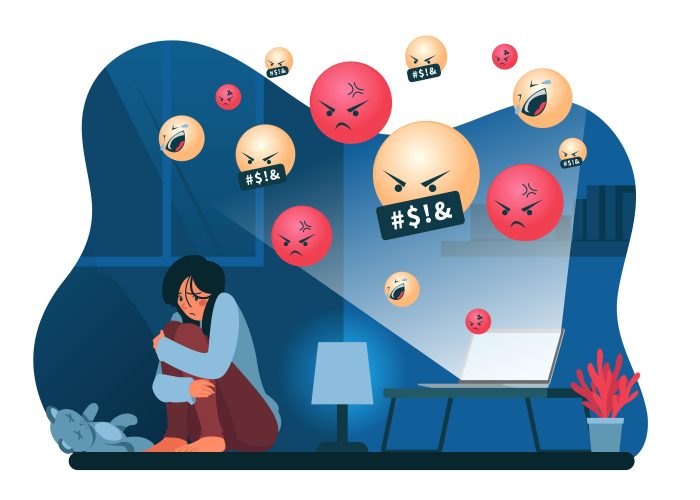
In the digital age, emojis have become a universal language, transcending borders and making communication more expressive. While these small pictograms were originally designed to add emotions and nuance to online conversations, they have also found an unexpected use in the world of cybercrime. Scammers and fraudsters have learned to exploit emojis for deception, creating hidden messages that evade detection by both users and security systems. A skilled fraudster can craft entire conversations using emoji codes that slip past automated security filters undetected.
One of the key reasons why scammers use emojis is their ability to bypass keyword-based filters. Many cybersecurity tools rely on text analysis to detect suspicious activities, but emojis can obscure meaning in ways that automated systems struggle to recognize. A simple message that might trigger an alert when written in plain text can go unnoticed when certain words are replaced with symbols. This allows scammers to communicate illicit content while avoiding detection.
Moreover, emojis can help fraudsters appear more relatable and trustworthy. A scam message impersonating a customer support agent may include friendly smiley faces or thumbs-up icons to create a sense of familiarity. Romance scammers often use hearts and affectionate emojis to manipulate their victims emotionally. Purple heart emoji meaning can be especially significant in online fraud schemes, as scammers use it to express false affection, leading their victims into a false sense of security.
Another alarming trend is the use of emojis in phishing attacks. Cybercriminals craft deceptive messages that mimic legitimate businesses, using emojis to make their emails or texts look casual and authentic. For example, an email claiming to be from a bank might include a padlock emoji to create a false sense of security. Victims, believing the message to be genuine, may click on malicious links or provide sensitive personal information.
Social media platforms are another hotbed for emoji-based scams. Fraudulent profiles often use emojis to disguise malicious intentions. A scammer selling counterfeit products might include checkmark emojis to make their listings appear verified, while those running investment scams could use money-related emojis to lure victims into financial traps. Additionally, scammers use emoji symbols to replace letters in phishing links, making fraudulent URLs look legitimate at first glance.
Cryptocurrency scams have also embraced emojis as part of their deceptive tactics. Many fraudulent schemes promise unrealistic returns, using rocket emojis to signify rapid financial growth and wealth. Victims are drawn into these scams with the belief that they are making a wise investment, only to realize too late that they have fallen into a trap. Emojis serve as powerful psychological tools, influencing people’s perception of credibility and trustworthiness.
Messaging apps, where encryption protects conversations from being easily monitored, have become prime grounds for scams involving emojis. Criminals operating in these spaces use emojis to replace key terms related to illegal activities. This tactic is particularly common in underground marketplaces, where sellers and buyers communicate in coded messages that authorities struggle to decipher.
While emojis can be a harmless and fun way to express emotions, their misuse in cybercrime highlights the evolving nature of digital deception. Awareness is the first line of defense. Users should remain cautious when encountering messages that seem overly friendly, urgent, or promising unrealistic rewards. Scammers are constantly adapting, and as technology advances, so do their tactics. By understanding how emojis are being manipulated for fraudulent purposes, individuals can better protect themselves from falling victim to digital deception.