

Have you ever watched a host frantically shuffle parties around a packed dining room? Or witnessed the kitchen staff’s panicked faces when an unexpected rush hits? These common restaurant chaos moments often stem from one overlooked business element: an effective reservation system.
Beyond Saved Seats: What Is Table Reservation Really About?
Fundamentally, a table reservation is a connection starter rather than only a space-holder. Someone who books ahead signifies their commitment to your business before they have ever set foot in it. Their daily schedule revolves around the pleasure you will deliver. This initial commitment changes everything about how they’ll interact with your business.
Think about it: diners who reserve tend to arrive with positive expectations. They’ve chosen your restaurant deliberately, not as a last-minute backup when their first choice had a two-hour wait. This intentionality translates to guests who are predisposed to enjoy themselves, spend more, and leave happier.
The Visual Promise of Reserved Signs
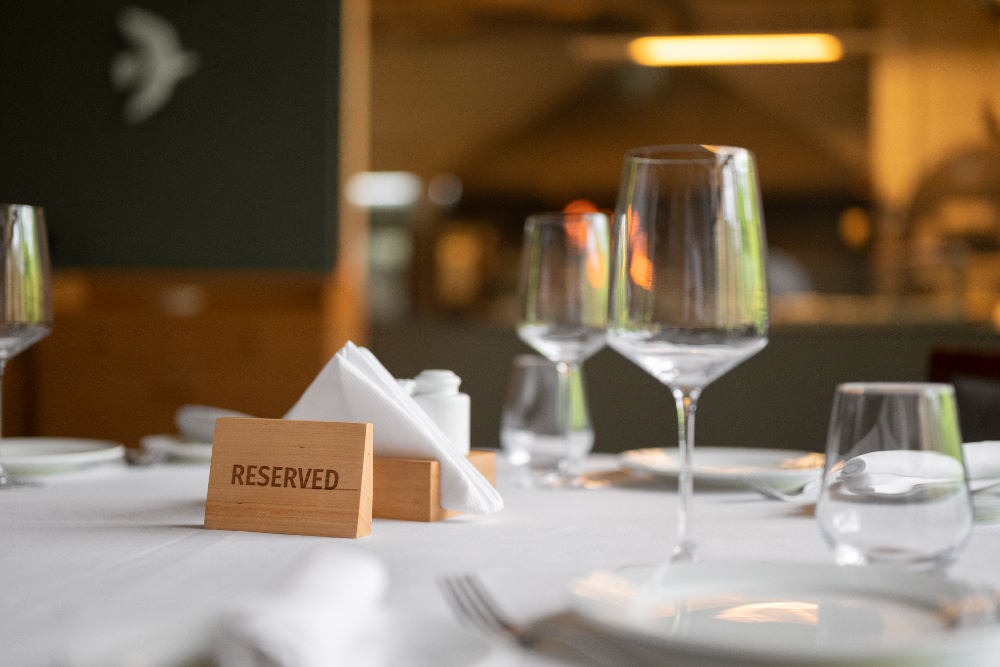
Walk into any successful restaurant and you’ll spot elegant reserved signs dotting tables throughout the space. These small markers do much more than indicate claimed space—they create an atmosphere of anticipation and exclusivity. For guests arriving to claim their reservation, seeing their table waiting with a reserved marker delivers a subtle but powerful message: “We were expecting you.” This visual confirmation transforms the anonymous dining experience into a personalized welcome.
Think about it: diners who reserve tend to arrive with positive expectations. Not as a last-minute backup when their first pick had a two-hour wait, they have specifically selected your establishment. This intentionality shows up in visitors who are inclined to have fun, spend more, and depart happier.
Kitchen Calm: How Reservations Transform Back-of-House Operations
Ingredient Forecasting That Actually Works
When chefs know exactly how many covers to expect at 7 p.m. on a Tuesday, magic happens. They order precisely what they need, prep efficiently, and reduce the food waste that silently eats into restaurant profits. This predictability means your signature dish—the one with those expensive seasonal ingredients—won’t run out by 8 p.m., disappointing your later guests.
Steady Pacing, Better Plates
Nothing tanks food quality faster than a kitchen getting slammed unexpectedly. When reservations space out arrivals, your line cooks can focus on execution rather than surviving the weeds. The result? Better-plated dishes, fewer mistakes, and consistent quality throughout service.
The Bottom-Line Boost of Dining Reservations
From Guesswork to Strategic Staffing
Ask any restaurant manager about their biggest headache, and staffing often tops the list. Too many servers means wasted payroll; too few creates service nightmares. Dining reservations transform this guessing game into a science. When you know Thursday will bring 85 guests between 6-9 PM while Monday will barely hit 40, you can schedule accordingly—keeping labor costs aligned with revenue while maintaining service standards.
Premium Time Slots Become Premium-Priced
Not all reservation times are equal. Saturday at 7 PM naturally draws more demand than Tuesday at 5 PM. Smart restaurants have begun capitalizing on this reality by implementing subtle pricing strategies for peak times—whether through minimum spend requirements, special tasting menus, or deposit policies. These approaches maximize revenue during your most valuable hours without alienating guests.
Digital Connection: The Evolution of Online Reservations
Meeting Diners Where They Already Are
Remember when booking a table meant phone calls during limited business hours? Those days feel increasingly archaic as online reservations become the norm. Today’s diners research, decide, and book in a single smartphone session, often outside your operating hours. Restaurants without digital booking options risk becoming invisible to an entire segment of potential customers.
Building Your Guest Database Without Effort
Every online reservation captures valuable guest information that old-school booking methods missed. Email addresses, celebration dates, dining preferences, and visit history become part of your marketing arsenal without additional effort. This data ecosystem lets you nurture customer relationships through targeted communication that feels personal rather than promotional.
Spatial Strategy: Mastering Table Management
The Chess Game of Seating Charts
Effective table management resembles a complex strategy game. Which tables should you combine for that six-top? Where should you seat the regular who always stays three hours? How do you accommodate the last-minute VIP without disrupting service flow? When your hostess has reservation visibility, these decisions become proactive rather than reactive.
The Unsung Hero: Turn Time Mastery
Understanding realistic turn times—how long different party sizes typically occupy tables—represents the hidden superpower of profitable restaurants. Reservation systems track this data automatically, allowing you to book with confidence rather than excessive caution. The result? More covers without rushed service, translating directly to higher revenue without increased overhead.
Hidden Reservation Benefits That Drive Loyalty
The Gift of Certainty in an Uncertain World
For diners, the ability to secure a table represents more than convenience—it provides peace of mind. This certainty becomes particularly valuable during special occasions when the pressure to deliver a flawless experience feels heightened. By offering reliable reservation benefits, you’re not just organizing your restaurant; you’re removing stress from your guests’ lives.
The Feedback Loop You’ve Been Missing
Every reservation represents an identified customer whose experience can be followed up on systematically. This creates accountability throughout your operation. When servers know guests can be contacted afterward for feedback, service standards naturally elevate. The result? Problems get identified and addressed before they spiral into negative reviews.
Implementation Without Headaches
Choosing Technology That Fits Your Style
The reservation platform landscape has expanded dramatically, offering options for every restaurant type. Whether you need the integrations and visibility of industry giants like OpenTable, the flexibility of Resy, or the customization of SevenRooms depends entirely on your concept and customer base. The right system feels like a natural extension of your brand rather than a technological intrusion.
Staff Buy-In: The Make-or-Break Factor
Even the most sophisticated reservation system fails without proper staff adoption. When implementing new booking procedures, involve your team in the process. Help them understand how the system makes their jobs easier—from servers who can better prepare for incoming guests to bartenders who gain visibility into upcoming volume spikes. When staff experiences the benefits firsthand, they become system advocates rather than reluctant users.
Beyond Traditional Tables: Expanding Reservation Concepts
Experience Bookings: The Next Frontier
Forward-thinking restaurants have begun extending reservations beyond basic tables. Consider the cocktail bar that reserves prime counter spots for spirit enthusiasts, the chef’s table experience booked weeks in advance, or the cooking class reservations that create additional revenue streams. These specialized bookings create unique value propositions that differentiate your establishment.
Waiting Lists That Actually Convert
The most sophisticated reservation systems transform waitlists from consolation prizes to powerful filling tools. When integrated with SMS notification systems, these standby lists can rapidly fill sudden cancellations, recovering potentially lost revenue. Some restaurants report filling up to 80% of same-day cancellations through efficient waitlist management—turning disappointment into opportunity.
Embracing the Reservation-Driven Future
The restaurants that will thrive tomorrow are building their reservation strategy today. They comprehend that booking systems serve as full business boosters touching every aspect of operations, not only administrative tools. Thoughtful rules for reservations not only help you to arrange your dining room but also drastically change your company model toward more stability, profitability, and visitor delight.
The finest part is that this change does not require a large capital commitment or idea redesign. It merely requires intention, consistency, and an understanding that just as much as what you offer visitors after they are seated counts as how they secure their spot at your table.