
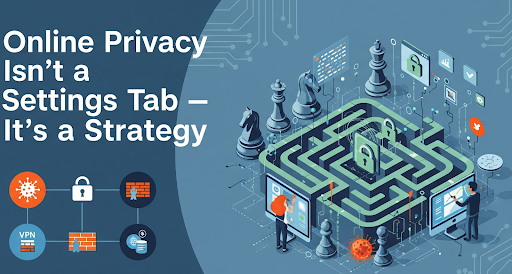
Online privacy isn’t something you toggle on or off. It’s a strategy—one that demands ongoing attention, smart tools, and an understanding of how your data is collected, used, and shared.
Why Online Privacy Matters
Your online life is bigger than you think. It’s not just what you post—it’s your search history, your location, your purchases, even what you hover over without clicking.
When that data is collected, sold, or breached, it can lead to real-world consequences:
- Identity theft
- Targeted scams
- Job or insurance discrimination
Online privacy matters because it’s not just about hiding information—it’s about having control over what others see, know, and profit from.
What Privacy Settings Can—and Can’t—Do
Settings help, but they’re not a full solution. They give you some control, but not total transparency or protection.
What they can do:
- Let you opt out of personalized ads
- Limit what apps can access (camera, location, contacts)
- Allow you to restrict who sees your posts or activity
What they can’t do:
- Stop third-party tracking across websites
- Prevent data brokers from buying and selling your information
- Protect you from phishing, malware, or insecure Wi-Fi
Settings are a step, not a shield.
Developing a Personal Privacy Strategy
Instead of reacting to threats, build a plan around these key steps:
- Audit your digital footprint
- Google yourself
- Review your account activity
- Check which apps and services have access to your data
- Set your privacy thresholds
- Decide what you’re okay sharing and what you’re not
- Consider separate emails for shopping, work, and personal life
- Use protective tools
- VPNs for browsing
- Password managers
- Encrypted messaging apps (like Signal)
- Minimize your exposure
- Uninstall apps you don’t use
- Turn off location sharing unless it’s essential
- Say no to every permission request you don’t absolutely need
Helpful Tools and Techniques
- Use browsers that block third-party cookies by default (Brave, Firefox, Safari)
- Install tracker blockers (uBlock Origin, Privacy Badger)
- Turn on 2FA wherever possible
Monitor your data exposure using services like HaveIBeenPwned or data removal services like InternetPrivacy.com
Why Staying Informed Is Part of the Strategy
Privacy is not set-it-and-forget-it. Laws evolve, threats change, and platforms continually update their settings and policies.
To stay current:
- Subscribe to privacy-focused newsletters (like The Markup or Electronic Frontier Foundation)
- Follow experts and watchdog organizations on LinkedIn or Twitter
- Check your settings every few months—they often change without warning
Final Thought
Online privacy isn’t about paranoia—it’s about preparation. It’s the difference between being watched and being aware. Settings alone won’t protect you, but a smart, personal strategy can. Start with awareness, follow up with action, and stay committed for the long haul.