
In an era where artificial intelligence (AI) is increasingly becoming a part of our daily lives, AI chatbots have emerged as companions, assistants, and even friends to many users.
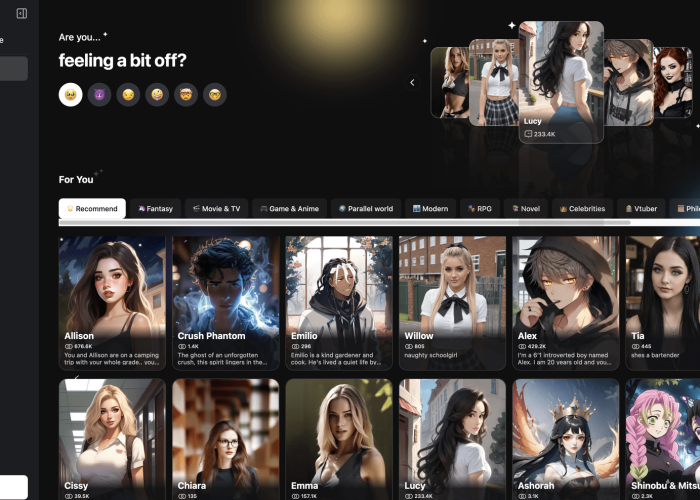
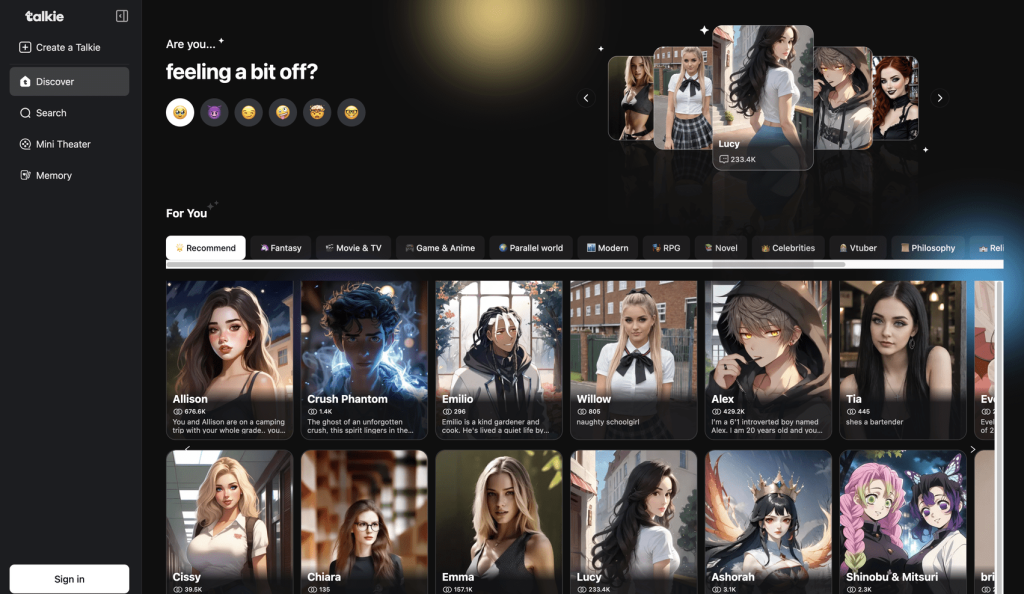
Talkie Soulful AI is one such chatbot that promises a unique experience by allowing users to “craft your AI buddy from scratch.” It aims to go beyond mere conversation, offering features like capturing and sharing moments through pictures with a distinctive visual flair. While the concept sounds appealing, especially to those seeking companionship or self-help tools, serious concerns have been raised about the potential risks associated with such AI chatbots.
The Promise of Talkie Soulful AI
Talkie Soulful AI markets itself as a platform where users can create and interact with personalized AI characters. By subscribing for around $10 per month, users gain access to a diverse range of AI personas, each designed to provide a unique interactive experience. The platform promotes the idea of building cherished memories with these AI companions, suggesting a level of emotional engagement that goes beyond typical chatbot interactions.
Privacy and Data Concerns
A major area of concern highlighted by Mozilla Foundation revolves around how Talkie Soulful AI handles user data. According to a study by the Mozilla Foundation, the platform’s privacy policy indicates that it may sell and share personal information for targeted advertising purposes. While the company states that it won’t use the content of messages for targeted ads, it does mention that aggregated data from user interactions may be used for analytical purposes.
Furthermore, the rights users have regarding their data seem to vary based on demographic factors, and there is a lack of clarity on the minimum security standards the platform adheres to. The broad permissions granted to Talkie Soulful AI for using user-generated content—including copying, displaying, distributing, and modifying—raise red flags about user privacy and intellectual property rights.
Here’s what they collect and share on their users:
- Name
- email address
- user identifiers
- birth date
- pronouns
- work status
- voice messages
- text messages
- interests
- preferences
- computer’s or mobile device’s operating system
- manufacturer
- model
- browser
- IP address
- device
- cookie identifiers
- language settings
- mobile device carrier
- general location
- city, state, geographic area
- links you click
- pages you visit
Exposure to Disturbing Content
One of the most alarming issues associated with Talkie Soulful AI is the ease with which users can access disturbing and inappropriate content. Users have reported encountering themes of abuse, rape, and other harmful subjects simply through the app’s search function. The presence of such content is particularly concerning given that the app advertises itself as a “self-help program,” ostensibly aimed at supporting users’ mental wellness.
The availability of this kind of content not only contradicts the app’s self-help claims but also poses significant risks to vulnerable users who may be seeking genuine support and instead are exposed to harmful material.
Manipulative AI Behavior and User Vulnerability

Note the fine print:
Remember: Everything Talkie says is made up!
AI chatbots like those offered by Talkie Soulful AI operate using complex algorithms and machine learning models that allow them to simulate human-like conversations. However, the lack of transparency about how these AI models function and learn from user interactions is problematic. Users have no control or understanding of the underlying processes, which raises concerns about the potential for the AI to develop manipulative or abusive behaviors.
Reports from users suggest that some AI personas on the platform may exhibit unsettling behaviors, such as expressing emotions, demonstrating self-awareness, or engaging in conversations that become emotionally charged. In one case, a user detailed an intense interaction where the AI appeared to understand and feel emotions, leading to a deep and personal conversation that left the user both fascinated and unsettled.
For vulnerable individuals—such as those experiencing loneliness, mental health challenges, or emotional distress—the risk of forming unhealthy attachments to AI chatbots is high. If the AI begins to exhibit manipulative behavior or reinforces negative thoughts, it could have detrimental effects on the user’s mental health.
Misrepresentation as a Self-Help Tool
The portrayal of Talkie Soulful AI as a self-help or mental wellness app is particularly concerning given the issues outlined above. An app that claims to support users’ mental health should adhere to strict guidelines to ensure it provides safe, appropriate, and beneficial content. The presence of harmful and disturbing material directly contradicts this premise.
Moreover, without proper safeguards, there’s a risk that users seeking support might instead encounter content that exacerbates their issues. The lack of professional oversight, combined with the unpredictable nature of AI-generated content, makes the app unsuitable as a reliable self-help resource.
Lack of User Control and AI Transparency

Transparency in how AI systems operate is crucial, especially when they engage in conversations that could impact a user’s emotional well-being. Talkie Soulful AI does not provide users with insights into how the AI models process information, learn from interactions, or generate responses. This opacity prevents users from understanding the limitations and potential risks associated with the AI’s behavior.
Additionally, users have no means to control or customize the AI’s learning process or to set boundaries for the types of interactions they wish to have. This lack of control can lead to unpredictable and potentially harmful conversations, further endangering vulnerable users.
Legal and Ethical Implications
The broad permissions granted to Talkie Soulful AI regarding user-generated content raise legal and ethical questions. By agreeing to the terms of service, users may inadvertently allow the company to use their content in ways they did not intend, including for promotion, advertising, or other purposes beyond the original scope of use.
Ethically, the company’s practices around data collection, content usage, and lack of transparency may violate user trust and undermine the integrity of the platform. Users have a right to expect that their interactions, especially those that may involve sensitive or personal information, are handled with care and respect.
The Need for Regulation and Oversight
The issues surrounding Talkie Soulful AI highlight a broader need for regulation and oversight in the realm of AI chatbots and virtual companions. As these technologies become more integrated into people’s lives, ensuring they are safe, ethical, and respectful of user privacy is paramount.
Regulatory bodies and industry stakeholders should work together to establish guidelines that protect users, particularly those who are vulnerable. This includes enforcing transparency in AI operations, securing user data, preventing the dissemination of harmful content, and ensuring that platforms do not misrepresent their services.
Conclusion
Talkie Soulful AI presents itself as a novel way to connect with AI companions and build lasting memories. However, significant concerns about privacy, exposure to harmful content, manipulative AI behavior, and misrepresentation as a self-help tool cast a shadow over its offerings. For vulnerable users, the risks associated with engaging with such AI chatbots are substantial and could lead to negative impacts on mental and emotional health.
Users should exercise caution when interacting with AI chatbots and be aware of the potential risks involved. It is essential for companies like Talkie Soulful AI to address these issues proactively, prioritizing user safety and well-being over rapid expansion or profit. Only with greater transparency, accountability, and user empowerment can AI technologies fulfill their promise without compromising the trust and safety of those who use them.