

Technology is reshaping the future of work in remarkable ways. From artificial intelligence (AI) and automation to remote work and digital collaboration, tech is transforming not only how we work but also the skills we need and the environments we work in.
Today’s jobs look strikingly different from those of just a decade ago, and as technology advances, this trend is only expected to accelerate. For many, this shift opens up exciting new opportunities for flexibility, creativity, and innovation.
However, this tech-driven world also brings the challenge of keeping up with fast-evolving tools and skills. Traditional roles are being replaced or redefined, and the demand for tech-savvy employees is higher than ever. In response, both educational institutions and companies are focusing on equipping people with relevant skills that meet the demands of modern workplaces. For those in dynamic work environments, health can often take a backseat amidst constant change. It’s important to not only equip ourselves with evolving technical skills but also ensure our well-being is prioritized. Many professionals now explore options to Discover Wellness Programs, which support a healthy lifestyle, balancing intense workloads with effective weight-loss and wellness strategies.
As we look toward the future, it’s clear that the way we approach work is undergoing a major transformation, one that emphasizes adaptability, continuous learning, and a readiness to engage with technology in new and innovative ways.
Skill Development in a Tech-Driven Era

As technology rapidly transforms the workforce, the skills needed to succeed are changing, too. For many, entering a tech-driven workplace means learning skills that weren’t even on the radar a few years ago. Coding, data analysis, cybersecurity, and AI programming are just a few of the skills that have become essential across various fields, from finance to healthcare. Educational programs that offer hands-on experience with these technologies are becoming key in preparing people for jobs of the future. These programs give students and professionals a chance to dive into real-world tech applications, preparing them to enter a field with confidence and adaptability.
For those starting their careers or looking to make a change, tech programs offer a strong foundation in these essential skills. Unlike traditional degrees, tech-focused programs often emphasize practical learning through projects that mimic real-world challenges. This experience is invaluable in a world where technology is central to job roles and responsibilities. As more companies seek candidates with hands-on technical skills, graduates from these programs are well-positioned to meet the demands of an evolving workplace.
Remote Work and Digital Collaboration
One of the most visible impacts of technology on the workplace has been the rise of remote work. With tools like video conferencing, instant messaging, and project management software, teams can now work together seamlessly from different locations.
For employees, this flexibility allows them to design a work-life balance that fits their needs, cutting out commute times and bringing greater autonomy into their daily routines. Digital collaboration tools have made it easy for teams to stay connected and organized, even across time zones. These tools support a collaborative work environment where employees can contribute ideas, share feedback, and stay aligned on projects without needing to be in the same physical space. In many ways, remote work and digital collaboration have made workplaces more inclusive and accessible, leveling the playing field for those who may not be able to work in a traditional office setting.
Automation and Its Impact on Job Roles
Automation has quickly become a central force in reshaping job roles across industries. By taking over repetitive, manual tasks, automation allows employees to focus on higher-level, strategic work that requires creativity and critical thinking.
For example, in manufacturing, robots handle assembly line work, while in healthcare, automation helps with scheduling, billing, and even diagnostic processes. This shift doesn’t just boost efficiency; it also creates opportunities for new types of roles that didn’t exist before, such as managing automated systems or maintaining advanced robotics.
While some fear that automation could lead to job loss, it’s also paving the way for roles that require a mix of technical knowledge and problem-solving skills. Employees trained to work alongside automation systems or troubleshoot when issues arise are in high demand. This shift encourages continuous learning and adaptability, as workers need to stay updated on new technologies and processes. Rather than replacing jobs, automation is evolving them, creating a workforce that’s better prepared to handle the complexities of a tech-driven world.
Artificial Intelligence and Decision-Making in the Workplace
Artificial intelligence (AI) is redefining decision-making processes across industries, making it a key player in the future of work. AI can analyze vast amounts of data quickly, offering insights that help businesses make informed choices. For example, companies can use AI to predict consumer trends, optimize supply chains, or improve customer service by analyzing feedback and behavioral data. This ability to turn complex data into actionable insights is helping companies stay competitive and efficient in a fast-paced, tech-driven world.
AI is also creating a shift in employee roles, as many workers now collaborate with AI systems to enhance their work. Instead of replacing humans, AI often assists them so workers can focus on tasks that require creativity and critical thinking. Employees trained to work alongside AI, interpret its insights, and make strategic decisions are increasingly valuable. As AI continues to grow, its role in decision-making will likely become even more integrated.
Growing Need for Cybersecurity Skills
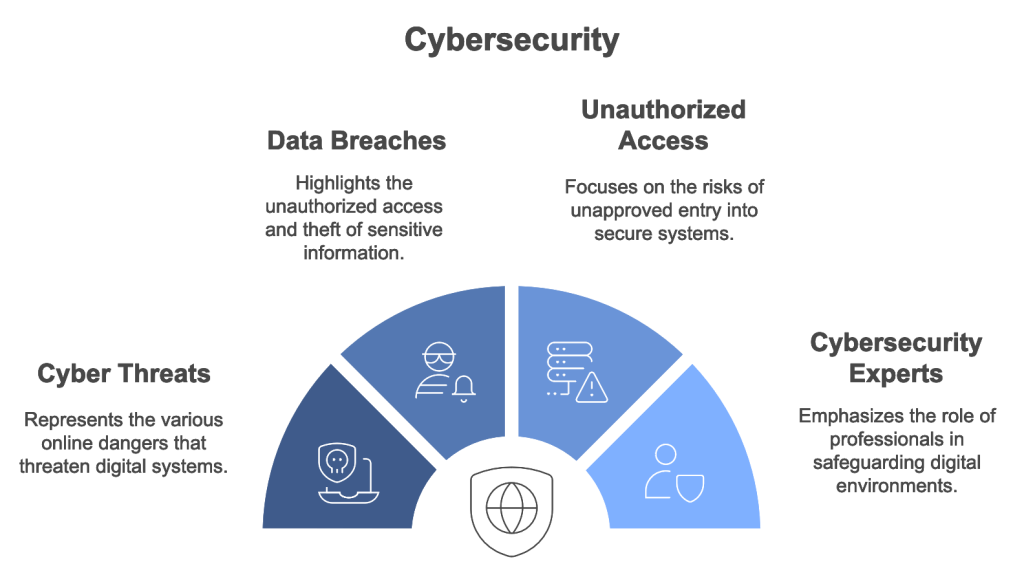
As workplaces rely more on digital tools and remote work setups, the risks of cyber threats, data breaches, and unauthorized access are also increasing. In turn, this creates a pressing need for professionals skilled in cybersecurity to protect sensitive data and ensure that digital systems remain secure. Cybersecurity experts help guard against online threats, providing a secure environment for both employees and customers.
The demand for cybersecurity skills is growing rapidly, especially as companies store more data online and in the cloud. Beyond managing technical defenses, cybersecurity professionals work to educate employees on safe digital practices, creating a more secure work culture overall. As digital threats continue to evolve, so too will the need for cybersecurity experts who can keep up with the latest risks and technologies.
Adapting to a Constantly Evolving Work Environment
The fast-paced nature of technology means that the workplace of tomorrow will constantly change, requiring adaptability from both employees and organizations. In a tech-driven world, new tools, software, and trends emerge frequently, meaning that professionals will need to keep learning to stay relevant. Continuous learning and skill-building have become crucial.
Companies, too, are playing a role in fostering a culture of learning, encouraging employees to pursue new skills and stay actively learning to adapt to changes. Many businesses offer in-house training programs, access to online learning platforms, and support for professional development to help their teams stay current.
The future of work in a tech-driven world brings both exciting opportunities and new challenges. As technology transforms job roles, skill requirements, and work environments, professionals and companies alike are adapting to keep pace. From educational pathways to emerging roles in cybersecurity, AI collaboration, and remote work, technology is reshaping the way we think about and approach work.