
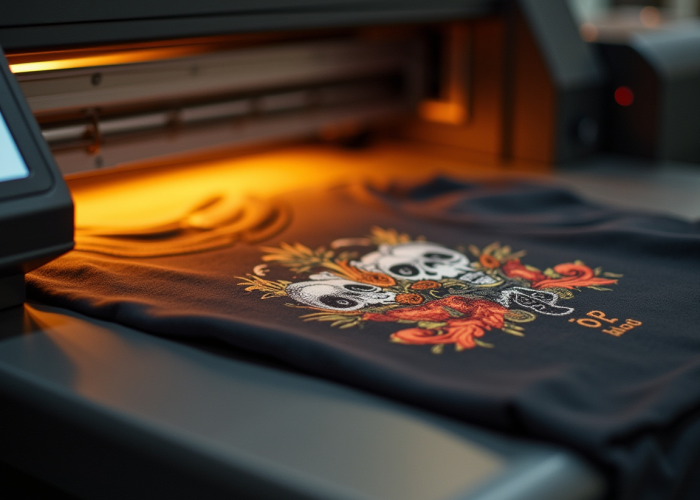
Starting a T-shirt printing business can be an exciting and profitable venture. Whether you’re launching an online brand, setting up a local print shop, or just printing for fun, choosing the right machine is crucial. Your choice will impact your production speed, print quality, costs, and customer satisfaction.
With so many printing methods available—screen printing, direct-to-garment (DTG), sublimation, and heat transfer—it can be overwhelming to decide which one is best for you. Each technique has its strengths and limitations, and selecting the right one depends on factors like your budget, target market, and business goals.
This guide will walk you through different T-shirt printing methods, key factors to consider when buying a machine, and the best options for various business sizes. By the end, you’ll have a clear roadmap to making an informed decision.
Understanding Different T-Shirt Printing Methods
Screen Printing
Screen printing is one of the oldest and most reliable printing techniques. It uses a stencil (or screen) to apply ink to fabric. This method is known for its durability and vibrant color output, making it ideal for bulk orders and simple designs. However, it requires a significant upfront investment in screens and setup, making it less practical for small, custom orders.
Direct-to-Garment (DTG) Printing
DTG printing works like an inkjet printer, applying ink directly onto fabric. It produces high-resolution images with no color limitations, making it a great option for detailed, multi-colored designs. The downside is that DTG printing is slower compared to screen printing, and it works best on 100% cotton garments. Regular maintenance is also necessary to keep the printer running efficiently.
Sublimation Printing
Sublimation printing uses heat and pressure to transfer ink into polyester-based fabrics. The ink bonds with the fibers, resulting in a smooth, long-lasting print that won’t fade or peel. This method is perfect for all-over prints and sportswear. However, it doesn’t work well on cotton and is limited to light-colored fabrics.
Heat Transfer & Vinyl Printing
Heat transfer printing involves pressing a pre-printed design onto fabric using heat and pressure. Vinyl printing, on the other hand, cuts designs from heat-transfer vinyl, which is then applied using a heat press. Both methods are easy to start with and work well for small-scale, custom orders. However, designs may not be as durable as screen or DTG prints, and layering multiple colors can be time-consuming.
Key Factors to Consider When Choosing a T-Shirt Printing Machine
Budget Considerations
Your budget will heavily influence your choice. Entry-level heat press machines start at around $300, while professional DTG printers can cost over $20,000. If you’re just starting, a heat press or vinyl cutter may be a cost-effective way to enter the market. If you plan on high-volume printing, investing in a screen printing setup or a DTG printer might be the better long-term option.
Printing Speed & Efficiency
If you’re handling bulk orders, you’ll need a machine that can keep up with demand. Screen printing is the fastest method for mass production, while DTG is better suited for print-on-demand businesses that require high-detail prints in smaller batches.
Print Quality & Durability
The quality of your prints directly affects customer satisfaction. DTG and sublimation produce highly detailed designs, while screen printing delivers bold, durable prints that can withstand repeated washing. If longevity is a priority, consider machines known for high print durability.
Machine Maintenance & Longevity
Some machines require more upkeep than others. DTG printers, for instance, need daily cleaning to prevent ink clogs, whereas heat press and vinyl cutters require minimal maintenance. Choose a machine with a reputation for reliability and easy upkeep, especially if you’re running a high-volume business.
Fabric Compatibility
Ensure your machine supports the fabrics you plan to print on. Sublimation works best on polyester, while DTG and screen printing perform well on cotton. If you plan to expand your product range beyond T-shirts—such as hoodies, tote bags, or hats—make sure your machine is versatile enough to handle different materials.
Best T-Shirt Printing Machines for Different Needs
Best for Small Businesses & Startups
The Prestige R2 DTF Printer is a great option for small businesses looking for high-quality, durable prints. It allows printing on various materials, making it a versatile choice for startups. Another beginner-friendly option is the Silhouette Cameo 4, which is ideal for those starting with heat transfer and vinyl printing.
Best for Large-Scale Production
For bulk orders, a screen printing machine like the Riley Hopkins 300 offers speed and efficiency. If you’re looking for a DTG option, the Epson SureColor F2100 is a top choice, known for its precision and high print quality.
Best Budget-Friendly Options
If you’re looking for a more affordable way to get started, the PowerPress Heat Press Machine is a solid entry-level choice. Another budget-friendly option is the Brother HL-L2320D Laser Printer, which works well for creating heat transfer designs.
Cost Breakdown & Return on Investment (ROI)
Starting a T-shirt printing business requires an initial investment, but the potential for profit is substantial. Depending on the machine you choose, startup costs can range from $1,000 to $10,000.
The cost per printed T-shirt, including materials and ink, typically falls between $2 and $5. Most custom T-shirts sell for $15 to $30, leaving a profit margin of $10 to $20 per shirt. With the right marketing strategy and production efficiency, a well-run T-shirt business can recover its initial investment within a few months.
Where to Buy T-Shirt Printing Machines
When purchasing a machine, it’s essential to buy from reputable sources. Online marketplaces like Amazon and eBay offer budget-friendly options, while direct purchases from manufacturers often include warranties and customer support. Local suppliers can be beneficial if you prefer in-person demonstrations and training.
Final Tips for Success in the T-Shirt Printing Business
Investing in quality materials is just as important as choosing the right machine. Low-quality ink and cheap T-shirts can lead to dissatisfied customers and poor reviews. Take the time to practice your printing technique before launching your business to ensure consistent, professional results.
Marketing plays a crucial role in your success. Use social media platforms like Instagram, TikTok, and Pinterest to showcase your designs. Selling on platforms like Etsy, Shopify, or Amazon can help you reach a broader audience. Stay updated on industry trends and emerging printing technologies to stay ahead of the competition.
Conclusion
Choosing the best T-shirt printing machine depends on your business goals, budget, and production needs. Screen printing is ideal for bulk orders, DTG is perfect for high-detail designs, sublimation works well for polyester, and heat transfer is great for small-scale custom printing. Understanding your options and investing wisely will set you up for a successful and profitable business.
Ready to take the next step? Research your ideal machine, experiment with designs, and launch your T-shirt printing venture today!