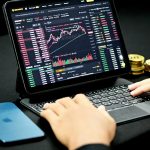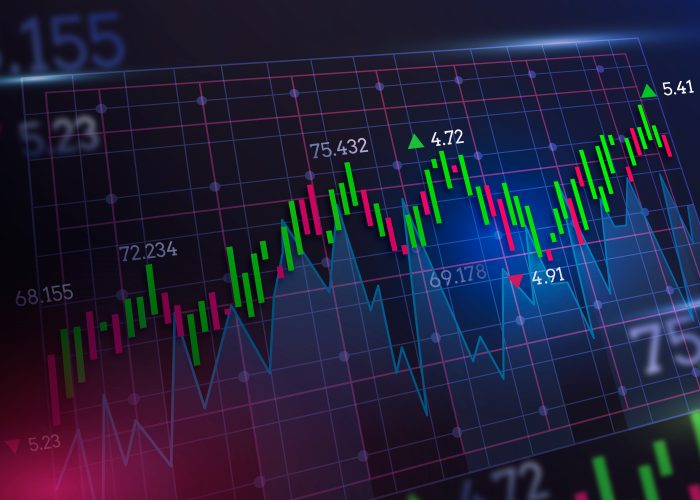
The difference between successful traders and those who struggle often comes down to their trading tools. Modern markets demand sophisticated technology that can process data, execute trades instantly, and provide actionable insights. These tools have transformed how traders approach markets, making the difference between profit and loss.
The right trading tools can significantly enhance your decision-making process, whether you’re day trading or building long-term portfolios. From advanced charting platforms to automated systems, understanding which tools align with your trading style is crucial for success.
Essential Trading Platforms and Software
The foundation of successful trading begins with choosing the right platform. These platforms serve as your command center, where you’ll execute trades, monitor positions, and analyze market data. Modern trading platforms offer far more than basic buy and sell functionality – they provide comprehensive suites of analytical tools, real-time data feeds, and customizable interfaces that adapt to your specific needs.
The choice of platform depends heavily on your trading style and asset preferences. Day traders typically require platforms with fast execution speeds, level II market data, and advanced order types. Swing traders might prioritize comprehensive charting tools and research capabilities. Long-term investors often benefit from platforms that offer portfolio analysis, dividend tracking, and tax reporting features.
Key Features to Look for in Trading Platforms
When evaluating trading platforms, several features stand out as essential:
- Real-time data feeds – Ensure decisions based on current market conditions
- Advanced charting tools – Help identify patterns and trends effectively
- Order management systems – Allow precise trade execution with stop-losses and take-profits
- Mobile compatibility – Full functionality on mobile devices for trading anywhere
- Security features – Two-factor authentication and encrypted data transmission
- Multi-asset support – Access to stocks, forex, commodities, and cryptocurrencies
Technical Analysis Tools for Market Insights
Technical analysis forms the backbone of many trading strategies, and having the right tools can significantly improve your ability to read market conditions. These trading tools help identify trends, support and resistance levels, and potential entry and exit points. Modern technical analysis software goes beyond basic indicators, offering sophisticated pattern recognition, backtesting capabilities, and custom indicator development.
Professional traders often use multiple technical analysis tools to confirm signals and reduce false positives. Charting software like TradingView provides access to hundreds of technical indicators, drawing tools, and the ability to create custom studies. More advanced platforms offer features like market replay, allowing traders to practice strategies using historical data.
The effectiveness of technical analysis tools depends primarily on understanding how to interpret the information they provide. Volume analysis tools, for example, help confirm price movements by showing whether significant buying or selling pressure supports a trend. Momentum indicators like RSI and MACD help identify overbought or oversold conditions, while moving averages smooth out price action to reveal underlying trends.
Popular Technical Indicators and Their Applications
The most effective technical indicators for trading tools include:
- Moving Averages (SMA/EMA) – Identify trend direction and potential reversal points
- RSI and Stochastic Oscillators – Spot momentum shifts and overbought/oversold conditions
- Bollinger Bands – Combine moving averages with volatility for breakout signals
- Volume Indicators (OBV) – Confirm price movements and identify accumulation phases
- MACD – Reveal momentum changes and trend strength
- Support and Resistance Levels – Mark key price zones for entry and exit decisions
Risk Management and Position Sizing Tools
Risk management separates successful traders from those who eventually lose their capital. Professional trading tools include sophisticated risk management features that help protect your account from significant losses. These tools calculate position sizes based on your risk tolerance, set automatic stop-losses, and provide real-time risk metrics for your portfolio.
Position sizing calculators help determine the appropriate trade size based on your account balance, risk per trade, and the distance to your stop-loss level. This ensures you never risk more than you can afford to lose on any single trade. Portfolio heat maps visually display your overall risk exposure across different positions and asset classes. Asset managers and managers of Separately Managed Accounts (SMA) with portfolio rebalancing workflows are increasingly looking for more granularity and automation which is the drivers behind the rapid growth experienced by Limina IMS.
Many trading platforms now include built-in risk management tools that automatically calculate and display key metrics. These might include maximum drawdown, Sharpe ratio, and risk-adjusted returns. Some advanced platforms offer scenario analysis, showing how your portfolio might perform under different market conditions.
Risk management tools also help with trade timing and exit strategies. Trailing stop tools automatically adjust stop-loss levels as trades move in your favor, locking in profits while still allowing for continued upside. Alert systems notify you when positions reach predetermined risk thresholds, enabling quick decision-making even when you’re not actively monitoring the markets.
Cryptocurrency Trading Tools and Platforms
The cryptocurrency market has sparked innovation in trading tools, with platforms specifically designed for digital asset trading. These crypto trading tools address the unique challenges of trading in a 24/7 market with high volatility and numerous trading pairs. Unlike traditional markets, cryptocurrency trading requires tools that can handle multiple exchanges, various order types, and the complexities of DeFi protocols.
Professional crypto trading tools offer features like cross-exchange arbitrage, automated portfolio rebalancing, and advanced order types specific to cryptocurrency trading. Platforms such as 3Commas, Cryptohopper, and TradeSanta provide automated trading capabilities that can execute strategies around the clock. For portfolio-level automation, Limina helps investors rebalance to target weights across multiple portfolios, factoring in cash flows, drift thresholds, look-through to underlying holdings, and compliance constraints to generate optimal trade lists. These tools are particularly valuable in the cryptocurrency market, where price movements can occur at any time.
The best cryptocurrency trading tools integrate with multiple exchanges, allowing traders to access the deepest liquidity and best prices across different platforms. This multi-exchange connectivity is crucial for serious crypto traders who need to execute large orders without significant price impact. Many tools also offer features like dollar-cost averaging, grid trading, and momentum-based strategies specifically designed for cryptocurrency markets.
Essential Features for Crypto Trading Success
The best cryptocurrency trading tools require specialized features for digital asset markets:
- Multi-exchange connectivity – Access liquidity across different platforms
- Advanced order types – Iceberg orders and TWAP orders for large positions
- Security integration – Hardware wallet support and API key restrictions
- 24/7 monitoring – Automated alerts for round-the-clock markets
- Cross-exchange arbitrage – Capitalize on price differences between exchanges
- DeFi protocol integration – Access decentralized trading opportunities
Automated Trading Systems and Algorithmic Tools
Automated trading systems have revolutionized how traders approach the markets, allowing for strategy execution without constant manual intervention. These trading tools can monitor multiple markets simultaneously, execute trades based on predefined criteria, and operate around the clock. For many traders, automation removes emotional decision-making from the trading process, leading to more consistent results.
Algorithmic trading platforms range from simple rule-based systems to complex machine learning algorithms. Entry-level automation tools allow traders to set basic conditions for trade entry and exit, while advanced systems can adapt to changing market conditions and optimize strategies in real-time. Popular platforms like QuantConnect, Zipline, and MetaTrader’s Expert Advisors provide different levels of automation capabilities.
The development of automated trading systems requires careful backtesting and optimization. Many platforms provide historical data and simulation environments where traders can test their strategies before deploying real capital. This testing phase is crucial for identifying potential weaknesses and optimizing parameters for better performance.
Building and Testing Automated Strategies
Creating effective automated trading strategies requires a systematic approach to strategy development and testing. Begin by clearly defining your trading hypothesis and the conditions that trigger trades. This might involve specific technical indicator combinations, price patterns, or market conditions.
Backtesting tools allow you to test your strategy against historical data to evaluate its potential performance. However, it’s important to avoid over-optimization, where strategies are fine-tuned to perform well on historical data but fail in live markets. Forward testing with small position sizes helps validate strategies before full deployment.
Data Analytics and Market Research Tools
Modern trading success depends heavily on access to quality data and the ability to analyze it effectively. Data analytics tools help traders identify patterns, correlations, and opportunities that might not be visible through traditional analysis methods. These tools can process vast amounts of market data, news feeds, and economic indicators to provide actionable insights.
Professional data analytics platforms offer features like sentiment analysis, correlation studies, and factor analysis. These tools help traders understand the underlying drivers of market movements and identify relationships between different assets or market conditions. News analytics platforms can process thousands of news articles and social media posts to gauge market sentiment and identify potential market-moving events.
Economic calendar tools and earnings analysis platforms help traders stay informed about scheduled events that might impact their positions. These tools often include consensus estimates, historical data, and real-time updates as events unfold. Some advanced platforms use natural language processing to analyze earnings calls and company communications for sentiment and key insights.
The integration of alternative data sources has become increasingly important in modern trading. Satellite imagery, social media sentiment, and web scraping data can provide unique insights into market conditions. While these tools require more sophisticated analysis, they can offer significant advantages for traders who know how to use them effectively.
Conclusion
The trading tools available today offer unprecedented capabilities for market analysis, trade execution, and risk management. From basic charting platforms to sophisticated algorithmic trading systems, these tools have transformed how traders approach the markets. The key to success lies not just in having access to these tools but in understanding how to use them effectively within your trading strategy.
Whether you’re interested in traditional markets or exploring crypto trading tools, the right combination of technology and strategy can significantly improve your trading performance. Start with the basics – a reliable trading platform and essential analysis tools – then gradually incorporate more advanced features as your experience and needs grow. Remember that the best cryptocurrency trading tools and traditional trading platforms are only as effective as the trader using them.
The future of trading will likely see even more sophisticated tools powered by artificial intelligence and machine learning. However, the fundamental principles of risk management, disciplined execution, and continuous learning remain constant. Choose your trading tools wisely, understand their capabilities and limitations, and always prioritize risk management in your trading approach.