
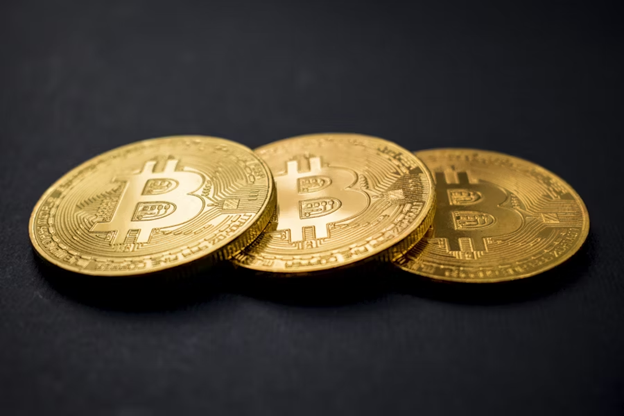
Bitcoin has come a long way since it first appeared more than a decade ago. But with all the ups and downs, many investors and curious observers still wonder: Where could Bitcoin go in the next 10 years? Could it reach new heights—or will it slowly fade away?
For those just starting out, understanding how to start investing in cryptocurrency might be the first step in figuring out whether Bitcoin has a place in their financial journey.
Has Bitcoin Already Peaked—or Is There More Room to Grow?
If you had bought Bitcoin ten years ago, your investment would’ve grown by more than 32,000% by April 2025. That’s an incredible return, even compared to some of the best-performing tech stocks. But more recently, Bitcoin has seen a decline of around 22% from its all-time high. Does that mean the excitement is over?
Not necessarily. It’s worth remembering that Bitcoin has always been volatile. Big price swings are nothing new. But despite those wild moves, Bitcoin has managed to survive, grow, and attract more attention over time.
Why Are People Still Talking About Bitcoin?
Bitcoin has its fair share of critics. Some say it doesn’t have real value. Others point to how much energy it uses or how it’s sometimes used in illegal activities.
There’s also the question of regulation—governments have struggled to figure out how to handle crypto.
Even with all these challenges, Bitcoin has managed to gain a massive following. Today, it’s valued at over $1.6 trillion. That’s too big for investors, institutions, or even governments to ignore.
And some recent moves by the U.S. government suggest a shift toward a more crypto-friendly approach. For example:
- A strategic Bitcoin reserve has been announced.
- A new crypto-friendly SEC chairman was appointed.
These moves indicate a more open attitude toward digital assets like Bitcoin—and possibly fewer restrictions in the future.
Another key factor driving ongoing interest in Bitcoin is the rise of mining as a business and investment opportunity. With the right setup, individuals and companies can earn Bitcoin by running a Bitcoin mining rig, which is specialized hardware designed to power the network and secure transactions.
What Role Did Bitcoin ETFs Play in This Shift?
In January 2024, U.S. regulators approved spot Bitcoin ETFs—investment products that allow people to invest in Bitcoin without buying the digital asset directly. Why does this matter?
Because ETFs make it much easier for large investors, like pension funds or mutual funds, to gain exposure to Bitcoin. Since then, more than $90 billion has flowed into these ETFs. That’s a big sign of trust and growing adoption from mainstream finance.
So while Bitcoin is still volatile, it’s now treated more like a serious asset—not just a passing trend or risky speculation.
What Makes Bitcoin So Unique?
One of the biggest reasons Bitcoin stands out is its limited supply. There will never be more than 21 million bitcoins in existence. This limit is hardcoded into its software and can’t be changed unless the entire network agrees—which is extremely unlikely.
Why is this important? Because unlike traditional currencies (like the U.S. dollar or euro), Bitcoin can’t be printed endlessly. When governments create more money, the value of each unit drops over time—something we call inflation.
That’s not the case with Bitcoin. Its fixed supply makes it a scarce digital asset, which many compare to digital gold.
Could Bitcoin Benefit From Global Debt and Money Printing?
Here’s something to think about: The U.S. government currently has $37 trillion in debt. And it keeps rising. To cover that debt, more money may need to be printed. But printing more dollars often leads to lower purchasing power—and higher inflation.
Some investors believe Bitcoin could benefit from this situation. Why? Because when people lose trust in traditional currencies, they start looking for alternatives. And Bitcoin—being decentralized, scarce, and global—fits that role.
So the more money governments print, the more valuable Bitcoin could become in the long term.
Final Thoughts
So, where will Bitcoin be in 10 years? No one can say for sure. But here’s what we do know:
- Bitcoin is now a globally recognized digital asset.
- It has survived over a decade of criticism, crashes, and regulation.
- It offers a fixed supply in a world where money keeps being printed.
- And it’s gaining adoption from both retail and institutional investors.