
Cryptocurrency has experienced a boom and has changed the way we view finances. These virtual assets offer decentralized and secure methods for transferring value worldwide. However, this technological breakthrough has attracted the eyes of malicious beings and has led to a surge in crypto-related scams. In this article, we will explore some notable cryptocurrency scams, how they operate, and steps to combat them.
Notable Cryptocurrency Scams
Cryptocurrencies, as evidenced by the high interest in the current Bitcoin price, attract eyes as it can be a high-risk or high-reward ordeal. Included in these eyes are those with malicious intent. We will now discuss the most common or popular crypto scams that you should remember.

1. Ponzi and Pyramid Schemes
Ponzi schemes involve fraudulent investment operations where returns for older investors are paid from new investors’ funds rather than legitimate profits. One infamous example in the crypto space is Bitconnect. Bitconnect promised investors lofty rewards, but it was all for naught when it collapsed in 2018.
Pyramid schemes, which are closely related, involve recruiting members who must recruit additional participants to earn rewards. Once the supply of recruits dries up, the pyramid scheme collapses.

2. Phishing Scams
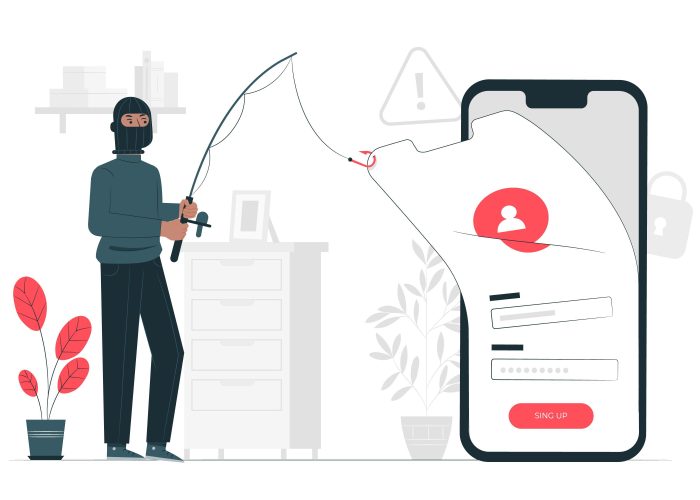
Phishing scams are a common form of deception that malicious beings use. This type of act aims to steal sensitive data, including credentials. Scammers procure fraudulent links or websites that act as if they are legitimate. Victims are tricked into entering sensitive information, which the scammers then use to access and drain their wallets.
3. Rug Pulls
Rug pulls occur when cryptocurrency project developers suddenly abandon it, taking investors’ funds with them. This is common in decentralized finance (DeFi) projects and non-fungible token initiatives. One notable example is the Squid Game token scam, in which developers vanished after the token’s value skyrocketed.

4. Fake Initial Coin Offerings
During the ICO boom of 2017, many fraudulent projects emerged, promising groundbreaking technology and high returns. Investors would buy tokens during the initial offering, only for the project to disappear without delivering any product. PlexCoin is a prime example, as it raised millions before being shut down by regulatory authorities.

5. Social Media Scams and Impersonation
Scammers frequently impersonate celebrities, influencers, or even official company accounts on social media platforms, promising to “double” the cryptocurrency sent to them. These scams often gain traction by exploiting the trust followers place in these figures.

6. Malware and Ransomware Attacks
Malware can be used to infiltrate victims’ devices and steal crypto wallet information or mining resources. Ransomware attacks have also become increasingly common.
7. Pump and Dump Schemes
In pump-and-dump schemes, malicious entities inflate the values of different assets in an inorganic manner. Once the price peaks, the scammers liquidate their assets or holdings, causing a sudden crash that lowers prices and causes investors to lose hefty amounts of money.
How These Scams Operate?
Exploitation of FOMO (Fear of Missing Out)
Scammers often victimize those who are wary of missing out on potential good deals. They create hype around projects, making them appear to be once-in-a-lifetime investment opportunities.
Use of Sophisticated Technology
Many scams employ advanced technology to create convincing fake websites, phishing emails, and even smart contracts that appear legitimate.
Targeting of New and Unsuspecting Investors
Newcomers to the crypto space are particularly vulnerable, as they may lack the technical knowledge required to identify red flags.
Leveraging Social Proof and Authority
Scammers often use fake endorsements from celebrities or forged partnerships to build credibility.
How to Combat Crypto Scams?
1. Conduct Thorough Research
Remember to research accordingly and thoroughly before committing to investments. Verify any potential investments go through every possible form of information. Be cautious if the data is sparse or unverifiable.
2. Use Reputable Exchanges and Wallets
Never choose a wallet or exchange that seems to have appeared suddenly. Always choose trusted options when you commit. Enable any additional security methods for added protection.
3. Verify URLs and Email Sources
Always verify any websites and links that you may receive. Legitimate platforms have secure and verified domains. Also, never click suspicious links that you may receive from different sources.
4. Educate Yourself
You can also research the most common crypto scams and how they work. To stay up to date with emerging threats, follow reliable sources and communities.
5. Be Skeptical of Unrealistic Promises
If a potential opportunity promises rewards that sound too lofty, it is a scam. Always check to see if a potential investment produces realistic rewards.
6. Secure Your Private Keys
Keep all sensitive data regarding your keys, wallets, and platforms to yourself. Having multiple storages, especially offline options, is the way to go.
7. Report and Block Scammers
Report suspicious activities and scam accounts on social media platforms and to relevant authorities. Blocking scammers can prevent them from reaching more victims.
8. Diversify Investments
Avoid going all in on one investment. Having multiple smaller investments can be a safer option as it prevents you from losing money in one go.
9. Use Cold Storage for Large Holdings
To reduce the risk of hacking, store significant amounts of cryptocurrency in cold wallets that are not connected to the internet.
10. Seek Legal Advice if Needed
If you fall victim to a scam, consult legal professionals who specialize in cryptocurrency cases. They can guide you on possible recovery options.
Conclusion
Cryptocurrency scams are a growing concern, but investors can protect themselves from falling victim by staying vigilant and informed. Understanding how these scams operate and adopting best security practices are essential steps in navigating the dynamic world of digital assets. Remember, skepticism and due diligence are your best defenses against crypto fraud.