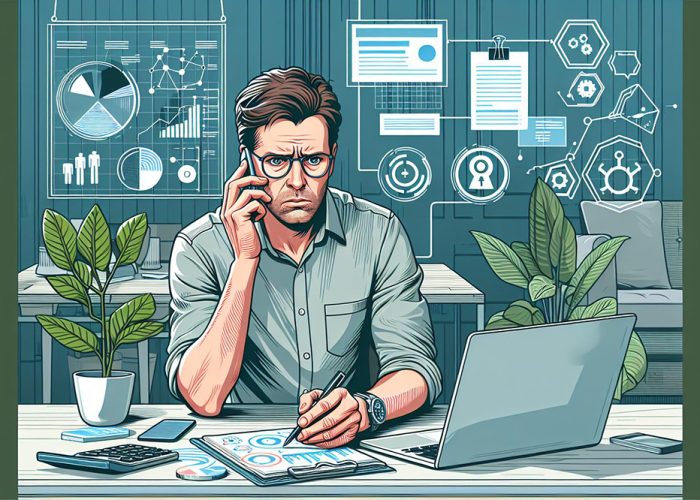
Online scams are becoming increasingly sophisticated, preying on our trust and reliance on tech support services. Among these, the Geek Squad scam stands out as a particularly deceptive threat. Posing as Best Buy’s reputable tech support team, these scammers trick us into handing over personal information, paying for fake services, or even granting remote access to our devices.
The scam often begins with a seemingly legitimate email or phone call, warning us of a subscription renewal we never authorized. Panic sets in, and before we know it, we’re entangled in a web of deceit, pressured to provide sensitive details like credit card numbers or social security information.
It’s crucial for all of us to stay informed and vigilant. By understanding the tactics used in these scams, we can better protect ourselves and our personal information from falling into the wrong hands.
What Is a Geek Squad Scam?
A Geek Squad scam is a type of imposter fraud where criminals deceive people by pretending to be representatives of Best Buy’s tech support service, Geek Squad. These scammers usually reach out through phishing emails or phone calls, mimicking official communication to appear legitimate. The fraudulent messages often mention unauthorized renewals of Geek Squad subscriptions with high charges, creating a sense of urgency. Once they make contact, they may request personal details like credit card information, social security numbers, or even attempt to gain remote access to devices.
Scammers use various tactics to seem authentic, such as sending fake invoices and using fabricated renewal dates. This manipulation aims to convince victims to provide sensitive information or download harmful software. By preying on the fear of unauthorized charges, they can dupe individuals into parting with personal data. Understanding these scams helps us remain cautious and recognize the warning signs of such deceptive communications. Staying informed and alert plays a crucial role in safeguarding our information from these cyber threats.
How The Geek Squad Scams Work
Geek Squad scams employ sophisticated methods to deceive victims, imitating legitimate support interactions. These scams often involve various techniques to trick individuals into revealing sensitive information.
Auto-Renewal Scams

Scammers utilize auto-renewal scams by sending emails that look like they come from Best Buy. These emails notify recipients of an impending expensive subscription renewal. Victims often see high fees listed, prompting them to act in haste. They might share credit card details or other personal information, falsely believing they’re canceling the unwanted service.
Phishing Emails
Phishing emails are designed to appear authentic and come from Geek Squad. Fraudsters send emails with fake invoices and pretend renewal notices. They mimic legitimate billing data to trick recipients into clicking on malicious links or downloading harmful attachments. Falling for these tricks can lead to malware infections or unauthorized access to personal accounts.
Password Reset Scams
In password reset scams, emails inform recipients that their account security is compromised, urging them to reset their passwords immediately. These emails contain links to phishing sites that look like legitimate Geek Squad websites. Once users enter their credentials, scammers capture them and gain access to their accounts, compromising their identity and sensitive information.
Fake Invoice and Billing
Fake invoices appear genuine, as scammers replicate invoices and billing statements from Geek Squad. These invoices often list fake renewal services or charges and provide phone numbers to contact for queries. When victims call, scammers request personal and financial details under the guise of verifying or canceling the service, leading to data theft.
How to Identify a Geek Squad Scam
Scammers posing as Geek Squad representatives use various tactics to trick victims. Recognizing the signs can protect our personal information and prevent falling prey to these fraudulent schemes.
-
- Unsolicited Emails or Calls: Receiving unexpected communication that claims to be from Geek Squad, especially if it concerns account issues or renewals, should raise suspicion. Authentic Geek Squad communications rarely come out of the blue.
-
- Urgent or Threatening Language: The use of urgent language to coerce immediate actions, such as confirming or canceling a payment, suggests a scam. Legitimate companies typically don’t pressure customers with threats of account closure or similar consequences.
-
- Requests for Personal Information: Any demand for sensitive data like social security numbers or credit card details through emails or calls indicates a scam. Genuine companies have secure processes for such requests.
-
- Suspicious Links or Attachments: Links that lead to unfamiliar websites or attachments requiring downloads can introduce malware. We need to verify the sender’s authenticity before clicking on anything.
-
- Fake Invoices: Scammers often use fake invoices that appear real, cautioning about membership renewals or refunds. We should double-check invoice numbers directly with Geek Squad to ensure validity.
By staying alert to these signals, we can identify potential scams and secure our information effectively.
How to Avoid Geek Squad Scams
Identifying and preventing Geek Squad scams demands vigilance and knowledge. Recognizing red flags helps protect personal information and maintain security.
Verify Communication Sources
Emails and calls from suspicious sources should be approached with caution. Legitimate Geek Squad communications come from official Best Buy channels. If something seems off, contact Best Buy directly using verified contact information, not details provided in the suspicious email or call.
Inspect Email Content Carefully
Fake emails often mimic genuine invoices or notifications. Examine email addresses closely, looking for slight misspellings or unfamiliar domains. Real emails include correct personal details and credible information. Doubts? Cross-verify with Best Buy customer service.
Avoid Urgent Scenarios
Scammers create urgency to provoke quick responses. Be wary of language emphasizing immediate action. Legitimate companies offer time for decision-making and don’t rush consumers into sharing personal information or making payments.
Safeguard Personal Details
Never share sensitive information like social security numbers or credit card details with unverified sources. Authentic companies won’t ask for private data through email or phone. Always confirm a request’s legitimacy before responding.
Use Updated Security Software
Install and regularly update antivirus software on devices. This guards against malware introduced by clicking malicious links or downloading harmful attachments from scam emails. Programs like TotalAV can provide robust protection.
Educate and Alert Others
Spread awareness among friends and family about Geek Squad scams. The more people know these scams exist, the less likely they are to fall victim. Sharing information strengthens the collective resilience against attempts to defraud consumers.
These strategies equip individuals to recognize and defend against Geek Squad scams, ensuring personal information remains secure. By staying informed, we empower ourselves and others to navigate the online landscape safely.
What to Do If You’ve Fallen Victim
Act swiftly to minimize the damage if you’ve fallen victim to a Geek Squad scam. Immediately contact your financial institution to report fraudulent transactions and prevent further unauthorized charges. We advise disputing any charges and seeking reimbursement if money has already been transferred.
Report the incident to the Federal Trade Commission (FTC) at IdentityTheft.gov. This step provides vital documentation and assists in tracking criminal activities. It’s also essential to change passwords for your online accounts, starting with email and banking platforms, to prevent further unauthorized access.
Monitor your credit report for suspicious activity. Request free annual reports from the three major credit bureaus—Experian, Equifax, and TransUnion—and place a fraud alert for added security.
Implement identity theft protection services that offer real-time monitoring and alerts for unusual activities. These services add an extra layer of security against potential future threats. Educating ourselves and staying vigilant remains crucial in protecting personal information.
Conclusion
Geek Squad scams represent a growing threat in our digital landscape, but by staying informed and vigilant, we can protect ourselves from these deceptive tactics. Recognizing the warning signs and verifying communication sources are crucial steps in safeguarding our personal information. By sharing knowledge and alerting others, we strengthen our collective resilience against such scams. If we fall victim, swift action is essential to minimize damage and secure our accounts. Let’s remain proactive and educate ourselves to ensure our digital safety in an ever-evolving cyber world.