
We live in an age where technological advancements are woven into every aspect of our lives, including our cars. It has transformed how we drive, from GPS mapping and entertainment solutions to smart safety functions.
However, these breakthroughs follow mounting uncertainty about their impact on road safety. While tech has made driving easier in some ways, it’s also introduced new risks, especially when drivers become too reliant or easily distracted. In this blog post, we’ll look at how technology might make our roads less safe.
The Rise of In-Car Distractions
Distracted driving has been a major culprit in car accidents for years. However, with the integration of technology into cars, the problem has only worsened. Remember when adjusting the radio was the biggest distraction in your vehicle?
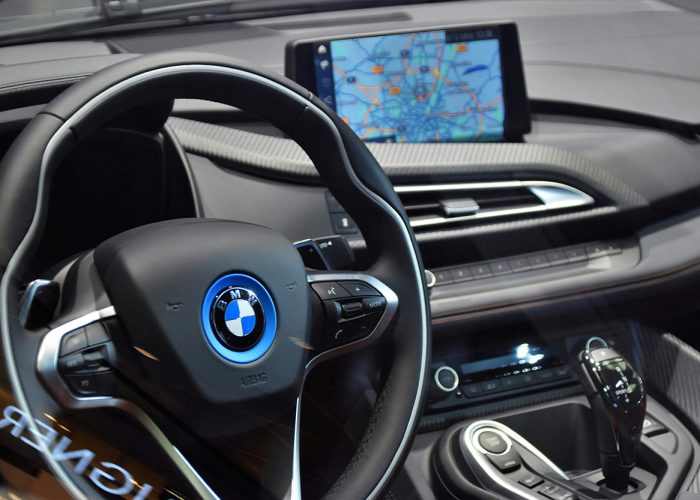
Those days are long gone. Now, your dashboard might resemble a spaceship control panel. Touchscreens, smartphone connectivity, GPS, and voice-activated systems promise to make driving easier, but they also demand attention. When a driver’s eyes are on a screen instead of the road, it only takes a few seconds for an accident to happen.
A recent study found that drivers using in-car touchscreens took their eyes off the road for about 12 seconds on average. Even voice controls, which seem safer, can still pull your focus from the road. Think about it: when you’re asking your car to play your favorite song, you’re not thinking about the surrounding traffic. It’s a new kind of distraction we’re only now starting to understand.
Moreover, the constant stream of notifications and the allure of in-car entertainment systems can be tough to resist. This can even be the case for police officers. In December 2023, a St. Louis police SUV crashed into a bar and ended up arresting its owner. FOX2now reports that the officer involved was working overtime and was distracted by his in-car radio. The same officer then arrested Chad Morris, the bar’s owner, charging him with a felony.
However, the St. Louis Circuit Attorney’s Office later downgraded his offense to a misdemeanor. A car accident lawyer in St. Louis could have helped Chad navigate the complexities of this situation. They would have assessed the details of the accident, including the officer’s distraction and any potential negligence. Moreover, they would also help determine whether Chad had grounds for a claim against the city or the officer.
A lawyer could also help Chad deal with the legal fallout of his arrest and ensure his rights are protected. This incident highlights how distractions caused by technology can have devastating consequences. Sadly, according to TorHoerman Law, these accidents are becoming more common across the region. Distracted driving, aggressive driving, and driving under the influence are all on the rise in St. Louis and the country.
When Driver Assistance Becomes a Double-Edged Sword
Many modern cars have crash-prevention technologies like automatic braking, lane-keeping assist, and adaptive cruise control. While these options can minimize the risk of crashes, they are not foolproof. Drivers assume these systems will always react perfectly, which isn’t the case.
Moreover, people now rely on them too much. A CBS News report highlighted how some crash-prevention systems in small SUVs failed high-speed, real-world tests, exposing gaps in their reliability. The study reveals that only one model (the Subaru Forester) earned a positive rating. In contrast, four models displayed poor performance. These limitations suggest that while crash-prevention tech is improving, it’s not yet reliable enough to replace cautious driving.
The Self-Driving Dream (or Nightmare?)
Self-driving cars were supposed to be the ultimate solution to road safety. But recent events have shown we’re not quite there yet. Many drivers mistakenly believe that partial automation systems, like autopilot, handle the road without human intervention. This overconfidence can lead to dangerous situations.
A recent study published by Reuters found that drivers are more prone to distraction while using partial automation technologies. Drivers rely too much on it, which often isn’t sophisticated enough to prevent accidents. The research tested Tesla’s Autopilot and Volvo’s Pilot Assist to understand real-time driver behavior. IIHS President David Harkey concluded that these applications need more stringent safeguards to discourage misuse.
Multiple incidents involving self-driving vehicles have raised red flags. Cruise self-driving cars were involved in hit-and-run accidents in San Francisco, as the automated systems failed to respond effectively. According to the BBC, in October 2023, a pedestrian was dragged under Cruise’s car for about 20 feet. Following this incident, the state halted Cruise’s operations in the city.
Moreover, it’s not really about the technology; it’s a matter of trust. A recent Forbes Advisor poll found that over 90% of Americans wouldn’t feel safe in a fully self-driving car. That’s a big problem for companies trying to make these vehicles the norm. Moreover, nearly 50% of recipients are somewhat or strongly reluctant to purchase or use an autonomous vehicle over the next five years.
The Increase in Tech-Enabled Rollaways
Keyless entry and ignition systems are now common features in many cars. They offer convenience but also a hidden danger: rollaway accidents. Rollaway accidents occur when a driver exits the vehicle without realizing it’s still in gear, causing it to move unexpectedly.
A Safety Research & Strategies report explains how keyless ignition has contributed to an increase in these accidents. Drivers assume the car has turned off when they leave with the key fob. However, they often don’t realize that the vehicle is still in gear or hasn’t fully powered down. This has led to tragic accidents and even fatalities. According to the Insurance Institute for Highway Safety (IIHS), over 2,050 individuals aged 13 and older were fatally injured due to rollovers.
Among these, over 23% of individuals were restrained, whereas over 65% were unbelted. The convenience of keyless systems has unintentionally made rollaways easier, creating a new road safety hazard.
People Also Ask
Q1. Are cars with more safety features always safer?
Not necessarily. While safety features can help, they aren’t foolproof. Excessive reliance on these technologies can cause complacency. It’s crucial to understand your car’s capabilities and limitations. Always stay alert and ready to take control, regardless of your vehicle’s advanced features.
Q2. What should I do if I suspect my car’s technology is malfunctioning?
If you notice unusual behavior in your car’s tech systems, document the issues and contact your dealership or manufacturer. Don’t ignore warning lights or strange noises. In potentially dangerous situations, prioritize your safety first, pull over if necessary, and seek professional help.
Q3. How do I avoid becoming distracted by in-car technology?
To minimize distractions, set up your navigation and music before driving. Use voice commands when possible, and pull over if you need to interact with complex features. Remember, your attention should always be on the road. If a notification can wait, let it.
So, is technology making our roads less safe? The answer isn’t straightforward. While new car features have the potential to prevent accidents, they also bring new risks that we’re still figuring out how to manage.
Drivers should stay aware of these risks and remain cautious, even when using advanced features. Keep in mind that these features are your helpers, not your replacements. Take time to learn about your car’s technology. Understand what it can and can’t do. Moreover, keep up with news about car safety. As technology changes, so do the risks and rules of the road.
Remember, the safest car is one that has an alert, informed driver behind the wheel. No amount of technology can replace your judgment and attention.