
In the retail industry, employee engagement is crucial for maintaining a productive workforce and ensuring excellent customer service. A significant factor influencing engagement is how employees perceive their work schedules. Inconsistent, unclear, or unfair scheduling can lead to frustration and dissatisfaction among staff. Implementing a streamlined retail scheduling system is one effective way to enhance employee engagement by creating a more manageable and transparent work environment.
By offering tools that simplify the scheduling process and facilitate communication, retail scheduling apps empower employees, ultimately leading to higher satisfaction and retention rates.
How Apps Simplify Communication and Shift Management
Communication is vital for any successful team, and retail scheduling apps play a critical role in fostering open lines of communication among staff members. These apps allow employees to easily view their schedules, swap shifts, and submit time-off requests directly through their mobile devices. This immediate access not only reduces confusion but also enables staff to feel more in control of their schedules.
Moreover, retail scheduling apps notify employees in real-time about shift changes, enabling them to stay updated and adjust their plans accordingly. This level of transparency fosters trust between team members and management, as employees feel informed and valued in the scheduling process. By simplifying the interaction around shifts, these tools can create a more cohesive team atmosphere and encourage greater collaboration.
Features That Promote Fair and Transparent Scheduling
An effective retail scheduling app should incorporate features that ensure fairness and transparency in shift assignments. For example, some apps offer options for employees to express their availability predicated on personal circumstances. This capability allows managers to account for employee preferences when creating schedules, cultivating a sense of ownership and belonging among team members.
Additionally, many scheduling apps provide analytics that help managers monitor hours worked, track employee requests, and identify attendance patterns. This data can then be utilized to make informed decisions regarding staffing needs, further improving scheduling practices. The outcome is a fairer distribution of shifts, which can lead to greater overall satisfaction and engagement from employees.
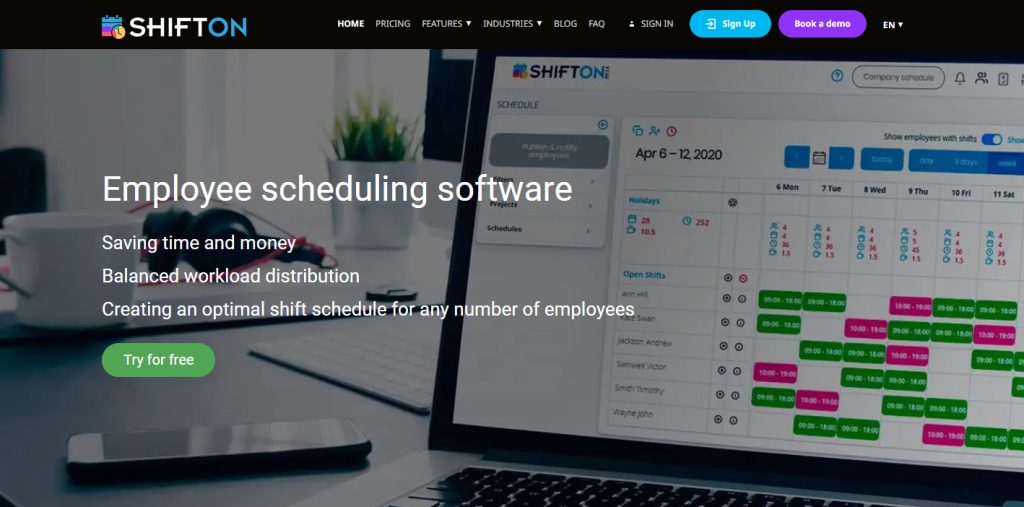
Furthermore, integrating a shifting schedule maker into the scheduling framework ensures flexibility in accommodating last-minute changes, further empowering employees to manage their workloads effectively while maintaining a sense of control over their schedules.
Real-Life Examples of Increased Engagement Through Apps
Several retail organizations have successfully boosted employee engagement by leveraging scheduling apps.
- For instance, a regional grocery chain struggled with high employee turnover due to scheduling conflicts and communication gaps. By implementing a scheduling solution that allowed employees to manage their own shifts while incorporating real-time notifications, the chain witnessed a massive decline in scheduling-related grievances, leading to a 25% increase in employee retention within a year.
- Similarly, a clothing retailer utilized a scheduling app that enabled staff to share their availability easily and track their hours. This practice led to improved morale, as employees appreciated the consideration of their preferences.
The retailer noticed an increase in staff productivity and a more cooperative team environment within a few months of using the app.
Conclusion: Empowering Retail Employees with Better Tools
In conclusion, embracing retail scheduling apps can significantly enhance employee engagement and satisfaction in the retail environment. By simplifying communication, promoting transparency, and allowing for flexibility in scheduling, these tools empower employees and create a positive work culture. The shift to automated and user-friendly scheduling systems demonstrates a retailer’s commitment to valuing their workforce, fostering loyalty, and ultimately leading to better customer service. As retail businesses continue to evolve, investing in better scheduling solutions will play an integral role in empowering employees and achieving long-term success.