
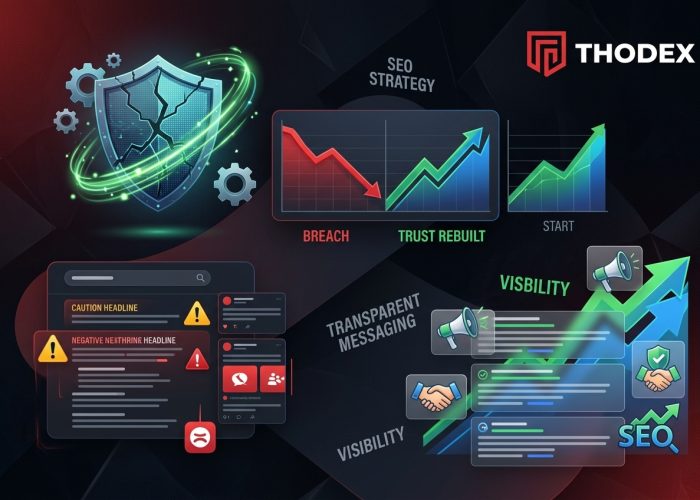
A cybersecurity breach can damage more than just systems and data, it can significantly erode customer trust and long-term brand credibility. In these moments, businesses often rely on a professional SEO agency to rebuild their digital presence through transparent messaging, search visibility, and strategic content that reassures affected audiences and restores confidence. While technical recovery is essential, the way a company communicates and presents itself online ultimately determines how quickly trust can be regained.
Understanding the Impact of a Breach on Brand Trust
When a breach occurs, customers immediately question the safety of their personal information and the reliability of the business. Even loyal users may hesitate to continue engaging if they feel communication is unclear or delayed. This emotional response can quickly translate into lost traffic, declining conversions, and long-term reputational harm.
Beyond the immediate fallout, search results and online discussions can amplify the damage if not properly managed. Negative headlines, reviews, and social media commentary often dominate visibility after an incident. Without a structured digital marketing response, these narratives can shape public perception for months or even years.
Rebuilding Transparency Through Strategic Communication
One of the most effective ways to rebuild trust is through clear, consistent, and honest communication. Digital marketing channels provide an opportunity to explain what happened, outline corrective actions, and demonstrate accountability. This transparency helps reduce uncertainty and shows customers that the business is taking responsibility.
Content such as blog posts, FAQs, and updates can play a central role in this process. When optimized correctly, these resources ensure that accurate information appears prominently in search results. This approach not only informs users but also gradually replaces negative or misleading content online.
Using SEO to Regain Control of Online Narratives
Search engine optimization is a critical tool for reshaping how a brand is perceived after a breach. By creating high quality, relevant content that addresses customer concerns, businesses can influence what users see when they search for the brand. This proactive strategy helps push outdated or harmful content lower in search rankings.
In addition, SEO allows businesses to target specific queries related to security, trust, and recovery. By answering these questions directly, companies can position themselves as transparent and solution focused. Over time, this builds authority and helps restore confidence among both new and existing audiences.
Strengthening Brand Authority Through Content Marketing
Content marketing plays a vital role in demonstrating expertise and commitment to improvement. Educational articles, case studies, and security updates can highlight the steps a company has taken to prevent future issues. This type of content reassures users that lessons have been learned and that stronger systems are now in place.
Consistent publishing also signals ongoing engagement and responsibility. When customers see regular updates and valuable insights, it reinforces the perception that the brand is proactive rather than reactive. This shift in perception is essential for rebuilding long term trust.
Leveraging Social Proof and Customer Engagement
Trust is often rebuilt through the voices of others, not just the brand itself. Positive reviews, testimonials, and user experiences can help counterbalance negative perceptions following a breach. Encouraging satisfied customers to share their experiences can gradually reshape public sentiment.
Engaging directly with customers through social media and other platforms is equally important. Responding to concerns, answering questions, and acknowledging feedback shows that the business values its audience. This level of interaction helps humanize the brand and rebuild emotional connections.
Aligning Marketing with Security Improvements
Digital marketing efforts must align closely with actual improvements in cybersecurity practices. Promoting enhanced security measures, certifications, or new protocols can reinforce the message that the company has taken meaningful action. This alignment ensures that marketing is not perceived as superficial or misleading.
Highlighting these improvements through campaigns and content helps bridge the gap between technical recovery and public perception. When customers understand what has changed and why it matters, they are more likely to regain confidence in the brand. This connection between action and communication is key to rebuilding trust effectively.
Recovering from a cybersecurity breach is a complex process that extends far beyond technical fixes. Strong digital marketing provides the framework for transparent communication, improved visibility, and ongoing engagement that rebuilds trust over time. By combining strategic SEO, consistent content, and authentic customer interaction, businesses can not only recover but emerge with a stronger and more resilient brand identity.