
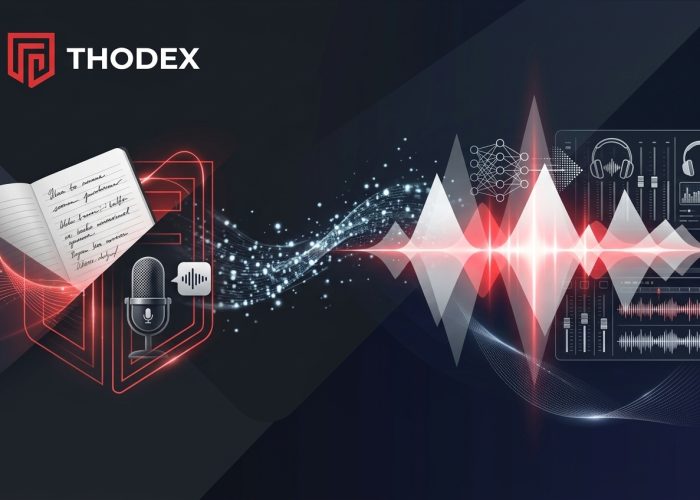
The traditional barriers to music production often leave brilliant lyrical ideas and melodic concepts trapped in notebooks or voice memos. Many creators struggle with the steep learning curve of digital audio workstations or the high costs of hiring session musicians and producers. Utilizing an advanced AI Music Generator allows individuals to bypass these technical hurdles by converting simple text descriptions into fully arranged musical compositions. This shift in the creative landscape empowers storytellers and hobbyists to explore sonic possibilities that were previously reserved for professional studios.
The emergence of sophisticated neural networks has changed how we perceive songcraft. By analyzing vast datasets of rhythm, harmony, and vocal dynamics, modern tools can now interpret the emotional nuance behind a user prompt. Instead of manually MIDI-mapping every beat, a creator can focus on the thematic essence of their work, letting the technology handle the complex orchestration. In my observation, the transition from a text prompt to a high-fidelity audio file feels increasingly seamless, though the final output remains deeply dependent on the specificity of the initial input provided by the user.
Understanding The Core Mechanics Of Neural Music Synthesis
Modern artificial intelligence operates by identifying patterns within specific genres and applying them to new data. When a user inputs a set of lyrics or a style description, the system references its trained models to determine the most appropriate tempo, instrument selection, and vocal timbre. This process is not merely about reassembling existing sounds but about generating original waveforms that align with the requested mood. The current generation of models can produce anything from intimate acoustic ballads to complex electronic arrangements with surprising structural integrity.
Enhancing Compositional Depth Using Text To Song AI
One of the most significant leaps in this field is the ability to handle long-form content and complex vocal performances. Utilizing Text to Song AI enables the conversion of detailed narratives into songs that include verses, choruses, and bridges. In my tests, the latest versions of these models demonstrate a refined stability in maintaining a consistent vocal character throughout a track, which was a common limitation in earlier iterations of generative audio. While the emotional depth of a human performance is difficult to replicate entirely, the technical accuracy of the pitch and rhythm is now reaching professional standards.
Evaluating Technical Performance Across Different Music Genres
Different musical styles present unique challenges for generative systems. High-energy genres like Trap or Rock require precise percussion and distorted textures, whereas Ambient or Classical music demands a focus on spatial depth and smooth transitions. Based on my observations, the V4 models appear more capable of handling dense layers without the auditory “blurring” that sometimes affects lower-tier models. However, users should note that complex time signatures or highly experimental avant-garde structures may still require multiple generations to achieve a perfectly coherent result.
Navigating The Limitations Of Automated Vocal Generation
Despite the rapid progress, it is important to maintain realistic expectations regarding the nuances of AI vocals. While the systems are excellent at matching a specific genre’s typical delivery, they may occasionally miss subtle breath work or highly specific stylistic inflections that a human singer would naturally provide. Additionally, the quality of the lyrics significantly impacts the phrasing; poorly structured sentences can lead to awkward rhythmic placements. Refinement of the prompt and lyrical structure remains the most effective way to improve the final auditory outcome.
Comparative Analysis Of Generative Audio Model Versions
| Feature Set | Entry Level Model (V1) | Advanced Pro Model (V4) |
| Maximum Song Duration | Up to 4 Minutes | Up to 8 Minutes |
| Audio Output Format | Standard MP3 | High-Fidelity WAV |
| Vocal Clarity | Basic Synthesis | Studio-Quality Realism |
| Multi-Track Access | Not Available | Stem Extraction Support |
| Processing Speed | Standard Queue | Priority Processing |
Step By Step Guide To Creating Professional Tracks
Step 1: Define Your Creative Parameters
Begin by selecting your desired generation mode on the platform. You can choose “Simple” for quick results or “Custom” for more granular control. Decide whether you want a full song with vocals or an “Instrumental” track.
Step 2: Input Your Descriptive Prompt Or Lyrics
Enter your text into the primary description box. If you have specific lyrics, paste them directly. For better results, include details about the genre, mood, and any specific instruments you wish to feature in the composition.
Step 3: Select Model Version And Generate
Choose the AI model version that best fits your needs, such as V1 for quick drafts or V4 for professional-grade output. Click the generate button and wait for the system to process the audio, which typically takes a few minutes depending on complexity.
Step 4: Review And Download Final Stems
Once the track is ready, listen to the preview to ensure it meets your expectations. If satisfied, you can download the file in MP3 or WAV format. Professional users may also choose to extract individual stems for further mixing in external software.
The Growing Role Of AI In Professional Workflows
The integration of these tools into the creative industry is not about replacing the artist, but rather expanding their toolkit. Producers are increasingly using generated tracks as a foundation for demo recordings or as a way to quickly iterate on different arrangement ideas. By reducing the time spent on the initial “blank page” phase, creators can dedicate more energy to the final polishing and conceptual direction of their projects. As the technology continues to evolve, the gap between an idea and a finished song will only continue to shrink.