
This article is intended for general informational purposes only and does not constitute legal, financial, or tax advice. Readers should consult qualified professionals before making decisions related to their specific circumstances.
Why Financial Management Matters During a Personal Injury Claim
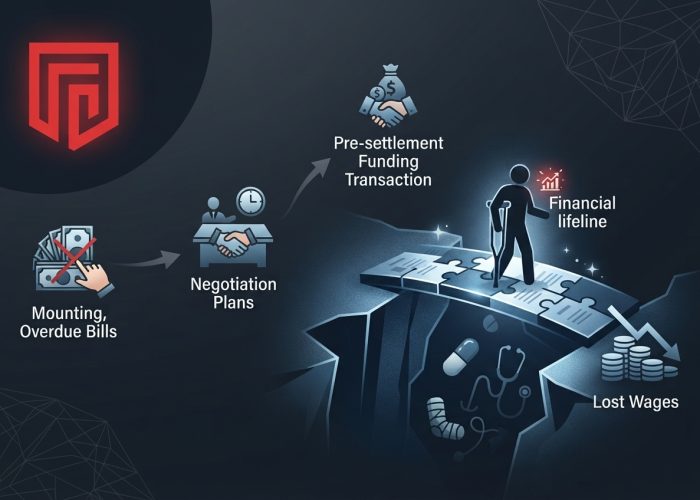
For anyone who has worked closely with injury claimants, one truth stands out above most others: the hardest part is rarely the legal process itself — it is staying financially afloat while that process runs its course. Most personal injury settlements are resolved through negotiation rather than trial, yet even a negotiated resolution can take months or years to finalize. In the meantime, bills do not pause. Medical expenses, lost wages, rehabilitation costs, and ordinary living expenses keep arriving whether or not your case has moved an inch. While your claim remains unresolved, there are several ways to bridge that gap — from cutting non-essential spending and negotiating payment plans with creditors to exploring whether it makes sense to get a personal injury settlement loan as a short-term measure. Every option involves real trade-offs, and understanding them clearly can make a significant difference in your financial outcome.
Understanding How Personal Injury Settlements Actually Work
A settlement is a negotiated agreement that resolves all claims arising from an incident in exchange for a monetary payment. One of the most important things to grasp early on is that the gross settlement amount is not what you actually walk away with. Attorney fees, case expenses, outstanding medical bills, and legal liens are all deducted before you see a dollar.
The compensable damages typically available in a personal injury claim include:
- Medical expenses (past costs and anticipated future treatment)
- Lost wages and diminished earning capacity
- Pain and suffering and other non-economic harms
- Loss of consortium and related impacts on family life
Once you sign a release, you generally cannot return for additional compensation tied to the same incident — which is precisely why reviewing every document carefully with qualified legal guidance is so important.
When it comes to receiving your money, you will typically choose between two structures. Lump-sum payments deliver the full amount at once, offering flexibility but requiring disciplined budgeting to make it last. Structured settlements spread payments over time — often through an annuity — providing a predictable income stream and potential tax advantages, though with considerably less flexibility. Most personal injury compensation is tax-free, but certain components, such as punitive damages, may be taxable. A tax professional can help you weigh these implications before you commit to a payout structure.
Assessing Your Needs and Staying Financially Stable
The first practical step is straightforward: map your essential monthly expenses — housing, utilities, food, transportation, and minimum debt obligations — against whatever income you currently have, including any disability benefits or part-time earnings. This basic cash-flow picture quickly reveals whether you face a genuine shortfall or whether careful budgeting alone can carry you through.
Practical Tip: Overestimating your expected settlement is a common and costly mistake. Settlement values depend heavily on injury severity, liability, and available insurance coverage. Any estimate you receive should be treated as a rough planning tool, not guaranteed income.
For many claimants, direct negotiation provides meaningful breathing room. Medical providers will often work out hardship payment plans; lenders may temporarily reduce payments if you simply ask. Whatever agreements you reach, get them in writing. Your attorney can also walk you through how outstanding medical liens will be handled at settlement — a detail that directly affects your net recovery and is worth understanding well in advance.
Evaluating Settlement-Related Funding Options
Pre-settlement funding — sometimes called a settlement advance — gives you access to cash now, with repayment drawn from your future settlement proceeds. Approval is typically based on the strength of your case rather than your credit history, which makes it accessible to claimants who might not qualify for conventional credit. The catch is that these products often carry significantly higher costs than traditional financing, and the total repayment obligation can meaningfully reduce what you ultimately take home.
This type of funding may be worth considering when income loss is severe and no reasonable alternative exists for covering critical expenses like housing or essential medical care. It is generally a poor fit for discretionary spending or situations where the expected settlement is uncertain or modest.
Key Takeaway: Before pursuing any settlement-related funding, go over the full contract terms with your attorney, compare whatever options are available to you, and calculate the total repayment cost against your anticipated net recovery. The math matters more than the immediate relief.
Moving Forward With a Clear Financial Plan
Managing money during a personal injury claim is genuinely hard, but informed decisions go a long way toward reducing long-term risk. A few principles are worth keeping front of mind: the gross settlement is not your final amount; the choice between a lump sum and a structured settlement carries lasting financial consequences; and any outside funding — including the option to get a personal injury settlement loan — deserves careful evaluation alongside budgeting, creditor negotiation, and community support resources.
A good starting point is listing your current essential expenses, building a realistic cash-flow projection, and having an honest conversation with your attorney about case timelines and likely settlement ranges. For more complex situations — those involving long-term disability or significant medical liens — an independent financial or tax professional can offer perspective that your attorney alone may not provide. None of this will move your case to resolution any faster, but it can meaningfully reduce the financial stress you carry while you wait.