
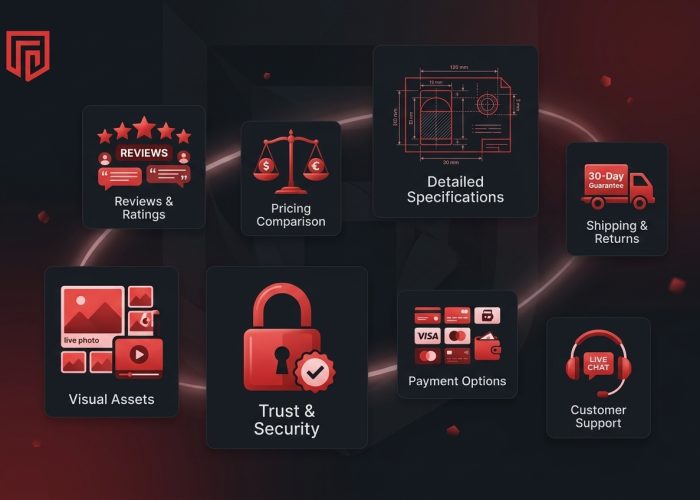
The modern consumer is highly informed, deeply skeptical, and exceptionally thorough. Gone are the days when a flashy advertisement alone could convince someone to open their wallet. Today, the path to a sale is paved with careful evaluation and intense digital scrutiny.
Understanding consumer behavior requires recognizing that every purchase carries an inherent financial risk for the buyer. To mitigate this anxiety, shoppers run through a subconscious mental audit before entering their credit card information. If your online platform fails to address even one of these checkpoints, your drop-off rates will spike.
Whether you run a local retail shop or a massive online store, mastering these conversion factors is essential for survival. By understanding exactly what your target audience is looking for, you can optimize your user experience and remove friction from the buying journey. Here are the eight critical things people check before finalizing a purchase.
1. Customer Reviews and Testimonials
The single most influential factor in modern commerce is social proof. Buyers trust the unvarnished opinions of real people far more than they trust your polished marketing copy. They actively seek out third-party validation to confirm that a product works exactly as advertised.
Shoppers don’t just look at your overall star rating; they read the specific text of negative reviews to see how your customer support team handled the issue. A brand that openly displays authentic feedback builds immediate transparency, while a site with zero reviews triggers instant suspicion.
2. Hidden Fees and Shipping Costs
Nothing ruins a transactional flow faster than an unexpected fee at checkout. Consumers are hyper-sensitive to surprise costs, and a sudden inflation in the final total is the primary reason for abandoned shopping carts worldwide.
- Be Upfront: Display estimated shipping taxes and handling fees directly on the product page rather than hiding them until the final step.
- Offer Free Thresholds: Provide an incentive by offering complimentary shipping when a customer reaches a specific spending limit.
- Simplify the Math: Make pricing clear and straightforward so the buyer knows exactly what they are investing from the very start.
3. Return Policies and Warranties
When a consumer buys something online, they cannot physically touch, see, or test the item beforehand. This creates a psychological barrier known as risk aversion. To overcome this hurdle, buyers look for a safety net.
They want to know exactly what happens if the product arrives broken, fits incorrectly, or simply fails to meet their expectations. A clear, generous, and hassle-free return policy entirely removes the risk from the consumer’s shoulders, making it drastically easier for them to hit the buy button.
4. Digital Security and Trust Signals
Online fraud and data leaks are common concerns for the modern shopper. Before handing over sensitive financial data, consumers subconsciously scan your website to ensure their personal information will remain completely secure.
They look for an HTTPS connection in the browser bar, recognizable payment gateways, and visible security badges. If your digital infrastructure feels outdated or amateurish, users will immediately leave your platform.
Ensuring your site possesses these professional touchpoints is a fundamental part of optimizing your digital storefront. By collaborating with a top-tier digital marketing agency, you can build a highly secure, trustworthy user experience that protects customer data and maximizes conversion rates seamlessly.
5. Competitor Price Comparisons
With access to endless information right in the palm of their hands, modern consumers are masterful bargain hunters. Before finalizing a transaction, they will almost always run a quick search to ensure they are getting a fair market rate.
If your price is significantly higher than a competitor’s for the exact same item, you must clearly communicate your unique value proposition. Whether it is faster delivery, superior build quality, or exceptional customer support, your audience needs to understand why your brand is worth the premium.
6. Detailed Product Specifications
Vague descriptions are an absolute conversion killer. When shopping online, consumers look for exhaustive details regarding dimensions, materials, ingredients, and compatibility to ensure the product solves their specific problem.
- Write Clear Copy: Avoid fluff and use concise bullet points to highlight structural dimensions, weight limits, and technical requirements.
- Incorporate High-Res Imagery: Use macro photography and video demonstrations to show the product from multiple angles in real-world settings.
- Create FAQ Sections: Anticipate common user questions and provide instant answers directly on the sales page to save them a trip to a competitor’s site.
7. Brand Values and Authenticity
Today’s consumers do not just buy products; they buy into the companies that create them. Younger demographics, in particular, prefer to support organizations that align perfectly with their personal ethics, environmental standards, and social beliefs.
Shoppers frequently check a company’s “About Us” page to uncover the story behind the logo. Sharing your mission, highlighting your ethical sourcing, or showcasing your local community involvement creates an emotional bond that completely transcends basic transactional commerce.
8. Delivery Timelines and Logistics
We live in an era dominated by next-day delivery expectations. Even if your pricing is flawless and your reviews are spectacular, slow or unpredictable shipping timelines can easily kill a potential sale.
Buyers check to see exactly when an item will land on their doorstep before committing to a purchase. Providing real-time tracking numbers and partnering with dependable logistics carriers gives your customers the predictability and peace of mind they demand.
Conclusion
A successful transaction is never an accident; it is the natural result of answering every unspoken question a consumer brings to the table. By systematically addressing the buyer’s checklist—from social proof and transparent pricing to robust digital security and explicit shipping details—you build a friction-free ecosystem. When you take the time to eliminate the invisible doubts that cause hesitation, you transform casual window shoppers into loyal, repeat customers. True commercial growth lies in honoring the buyer’s intelligence and delivering a flawless, transparent experience from the first click to the final delivery.