The Architectural Pressure of Modern Finance
Building resilient financial technology requires scaling engineering capacity rapidly without compromising security or regulatory compliance. That is the core challenge.
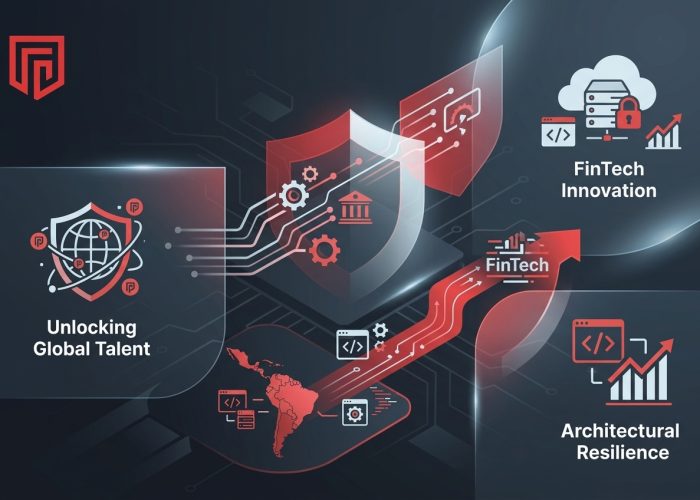
Why do traditional financial institutions constantly struggle to ship secure updates on time? Well, the reality is that localized talent pools are severely depleted. Competition for top-tier coders is fierce, and local recruitment pipelines move at a snail’s pace. Relying solely on standard hiring models creates massive engineering bottlenecks. Pushing innovative payment gateways or decentralized ledgers out the door demands a completely borderless approach. Finding a reliable way to expand technical capacity feels entirely impossible sometimes. Sourcing and hiring dedicated developers in LATAM provides the exact geographic agility and technical firepower needed to shatter these operational roadblocks entirely. Ugh, delayed product launches are brutal for market positioning.
Bridging Cultural and Technical Divides
Adding raw engineering power is never just about writing lines of code faster. It is about aligning diverse technical minds with strict compliance frameworks. Notice how legacy banking software often feels sluggish and disconnected from user expectations? That happens because development teams become trapped in rigid, regional echo chambers.
Expanding technical horizons solves several hidden operational issues organically:
- Injecting fresh cryptographic perspectives into rigid and outdated financial software architectures.
- Bypassing local talent shortages completely by tapping into vibrant, highly educated overseas tech hubs.
- Maintaining rigorous security protocols while pushing accelerated feature release cycles.
- Adapting dynamically to fluctuating market demands without burning out the core internal staff.
It acts as a massive sanity-saver for exhausted chief technology officers. The codebase inherently benefits from this diverse intellectual friction.
Integrating Nearshore Squads Natively
Just tossing tasks over the digital fence to an isolated department guarantees absolute chaos. The real magic happens during the critical onboarding phase. External engineering pods must sync with the internal corporate rhythm natively.
If the new talent fights the existing workflow, the whole ecosystem fractures completely. Continuous communication solves this friction organically. Daily syncs and shared repositories keep everyone marching forward in unison. Management cannot just toss a repository over the fence and pray for success. Building actual trust takes real effort. The external talent acts as an extension of the core vision – not just a group of hired hands typing blindly in the dark.
Rethinking Nearshore Collaboration
Engineers often suffer from severe tunnel vision. They stare at the exact same financial ledger logic for months on end. Bringing in fresh eyes from thriving nearshore ecosystems acts like a sudden jolt of electricity. New coders question outdated processes naturally.
Why do engineers still rely on this monolithic transaction pipeline? Can the team automate this specific compliance testing stage?
These rhetorical questions spark massive internal innovation. A stagnant digital ecosystem suddenly feels vibrant again. When external tech talent challenges the status quo, the final product always improves. This cross-pollination of ideas is incredibly valuable. It completely prevents corporate groupthink and elevates the overall software security dramatically.
Forging Resilient Financial Ecosystems
The financial technology landscape absolutely punishes slow movers. Expanding technical capacity through borderless integration is no longer a luxury. It functions as a strict survival mechanism for ambitious enterprises today.
Clinging to rigid operational models guarantees irrelevance. Embrace flexible engineering frameworks. Trust the integration process entirely. Watch those financial software product launches accelerate far beyond initial corporate expectations.