
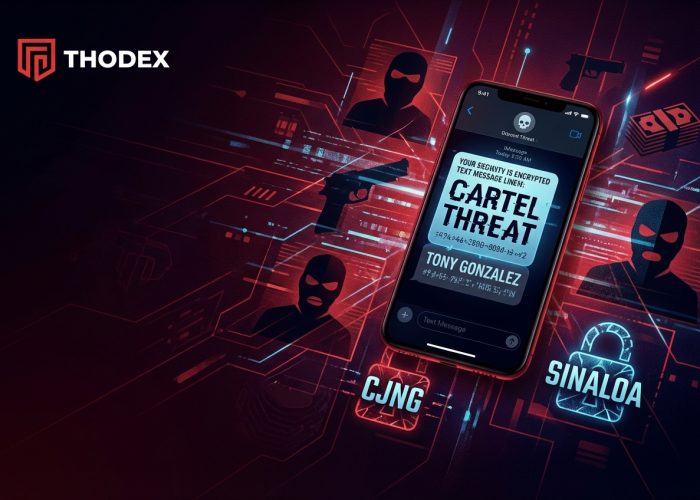
If you are reading this, your heart is probably racing. You likely just received a terrifying text message or phone call. Maybe it came from a man claiming to be “Tony Gonzalez,” “The Manager,” or a member of a cartel like CJNG or Sinaloa.
They might have sent you graphic, gruesome photos of mutilated bodies. They might have texted you your full name, your home address, and the names of your family members. They are demanding money—usually $1,000 to $3,000—claiming you “wasted their girl’s time” on a site like ListCrawler or BedPage.
Stop. Take a deep breath.
Here is the Bottom Line Up Front (BLUF): You are safe. No one is coming to your house. This is a scam.
The person messaging you is not a cartel boss. They are likely sitting in a call center overseas, reading from a script. They do not have hitmen. They rely entirely on fear to make you pay.
This guide will explain exactly how the cartel scam works, how they got your personal information, and the steps you need to take immediately to stop the harassment.
Anatomy of the Scam: How It Works
The ListCrawler scam (also known as escort extortion) is a sophisticated form of psychological warfare. It follows a predictable script designed to shock you into compliance before you have time to think rationally.
1. The Hook
You browsed a classified ad site like ListCrawler, SkipTheGames, or Megapersonals. You found an ad and texted or called the number. Maybe you made an appointment, or maybe you just asked, “Is this available?” and never replied again.
2. The Trap
The moment you sent that initial text, you were caught in the trap. You didn’t need to meet anyone. You didn’t need to send money. You just needed to reveal your phone number. The scammers logged your number into a database.
3. The Script
Hours or days later, the threats begin. A scammer contacts you using a menacing persona. Common names include:
- Tony Gonzalez
- Don Carlo
- Manuel
- “The Manager” or “The Pimp”
They will claim you “wasted the girl’s time” or “played games with their business.” They might say the girl got in trouble with the boss because you didn’t show up, and now she has to pay a “booking fee.”
4. The Shock Tactics
To make the threat feel real, they use shock and awe. They bombard your phone with violent images—videos of beheadings or photos of beaten men.
The Reality: These photos are stolen from old news reports about cartel violence in Mexico or South America. You can often prove this by doing a Google Reverse Image Search. They are not photos of what they plan to do to you; they are photos they downloaded from the internet.
Scammers often use specific tactics in their messages to bypass spam filters. For more on how scammers disguise their intent, you can read about hidden messages behind emojis in online scams.
“How Did They Get My Address and Family Names?”
This is the part that terrifies victims the most. If this is just a scammer in a call center, how do they know your mother’s name or the color of your front door?
They use OSINT (Open Source Intelligence).
When you texted them, they got your phone number. In the US, phone numbers are tied to public records. The scammer simply plugs your number into a “people search” data broker site like:
- FastPeopleSearch
- Whitepages
- Spokeo
- TruePeopleSearch
Within seconds, these legal, public websites provide your:
- Full legal name.
- Current and past home addresses.
- Names of relatives (parents, siblings, spouses).
The scammer copies and pastes this text into a message to you. It looks like they have done a background check or are watching you. They are not. They are simply reading a computer screen. They don’t know who you are; they only know what the database tells them.
The Statistics: You Are Not Alone
You might feel ashamed or isolated, but this is a massive industrial operation.
According to the FTC Data Book 2024, consumers reported losing $12.5 billion to fraud, a significant jump from previous years. “Imposter Scams,” the category this cartel scam falls under, accounted for nearly $3 billion in losses.
Furthermore, the National Center for Missing & Exploited Children (NCMEC) noted a massive rise in financial sextortion and blackmail cases, with reports jumping from 10,000 to over 26,000 in a single year. This affects everyone—from college students to retirees.
Immediate Action Plan: The “Stop” Protocol
If you are currently receiving these threats, follow this protocol immediately.
Step 1: The Golden Rule (Silence)
Do not reply. This is the most important step.
- Do not try to explain yourself.
- Do not beg for mercy.
- Do not negotiate the price.
- Do not pay.
If you pay, the threats will not stop. Paying marks you as a “whale” (a target willing to pay). They will demand more money for a “security deposit,” then for “weapons fees,” then for “clearance.” It never ends.
Step 2: Go Dark (Digital Lockdown)
The scammers want to scare you. If you don’t answer, they will try to find other ways to reach you.
- Block their numbers: They will likely cycle through 10 to 20 different phone numbers. Keep blocking them.
- Lock Social Media: Temporarily set your Facebook, Instagram, and LinkedIn profiles to “Private” or deactivate them. Scammers use these sites to find more family names to threaten.
- Silence Unknown Callers: Go into your phone settings and silence calls from numbers not in your contacts.
Step 3: Secure Your Finances
The scammers will demand payment via untraceable methods like Zelle, Cash App, Gift Cards, or Bitcoin. They may even direct you on buying Bitcoin with a credit and debit card to send to them. Never do this. These transactions are irreversible.
If you have already engaged with them, ensure your own accounts are secure. Scammers sometimes try to pivot to other attacks, like sending pervert scam emails threatening exposure, hoping to catch you in a moment of weakness.
WARNING: Beware of Recovery Scammers
This is a critical warning. If you post about your experience on Reddit, X (Twitter), or Instagram, you will be contacted by bots or people claiming to be “ethical hackers” or “recovery agents.”
They will say things like:
“I was scammed by the cartel too, but @CyberTechWizard on Instagram hacked them and got my money back.”
This is a Recovery Scam.
- No one can “hack back” the cartel.
- No one can reverse a Bitcoin or Zelle transaction.
- The FBI does not hire random hackers on Instagram to help you.
These people are trying to victimize you a second time. They will ask for an upfront fee to “run the software,” and then they will steal that money too. For more information on how vulnerable digital wallets can be to malware and bad actors, read our report on Exodus wallets vulnerable to sophisticated MacOS malware.
Frequently Asked Questions (FAQ)
“They sent me a picture of the front of my house. Is that proof they are here?”
No. They used your address (found on the public data sites) and looked it up on Google Street View or Zillow. They took a screenshot and sent it to you. If they were really outside, they would take a picture of your car in the driveway or you walking through the door.
“Should I call the police?”
You can, but manage your expectations. Local police usually cannot do much about a burner phone number operating out of a different country. However, filing a report creates a paper trail, which can be useful if you need to change your phone number or deal with identity theft issues.
“I already paid them. What do I do?”
Stop paying immediately.
- Contact your bank or the app (Cash App/Zelle) and report the fraud, though refunds are rare.
- Prepare for an escalation. Since you paid once, they will try very hard to scare you into paying again. They will get louder and meaner.
- Hold the line. Block them and go silent. They will eventually move on to a new target who hasn’t paid yet.
“Is my family in danger?”
No. In the history of the cartel scam, there are no documented cases of these online scammers physically harming a victim’s family. Their business model is high-volume text messaging, not physical violence.
Conclusion
The ListCrawler cartel scam is terrifying because it feels personal, but it is purely a numbers game. The person on the other end of the phone is not a violent criminal; they are a con artist following a flowchart. Staying safe online often means keeping your real identity separate from what you do on the web – many people use an anti-detect browser like the Afina Browser to isolate each session with its own fingerprint, so their real details stay private
The threat is psychological, not physical. They want you to panic because panic leads to payment.
Your Action Plan:
- Block the numbers.
- Ignore the threats.
- Report the crime to the FBI IC3 (ic3.gov) and the FTC (ReportFraud.ftc.gov).
You made a mistake by texting a number online. That is not a crime punishable by death. Forgive yourself, lock down your privacy, and wait them out. They will disappear.